





What's Happening?
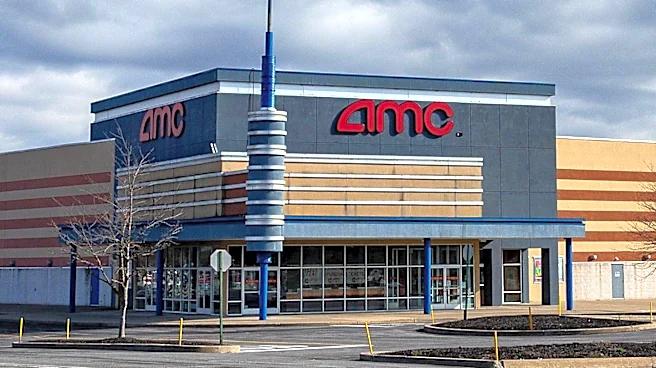
Residents and elected officials in Kips Bay, New York City, rallied to protest the potential closure of a local AMC movie theater and a Fairway supermarket. NYU Langone plans to acquire the building at 570 2nd Avenue, which currently houses these establishments,
to expand its healthcare services. The community views the AMC theater as a vital cultural meeting point, and its closure, along with the supermarket, is met with strong opposition. Elected officials, including Assembly Member Keith Powers, Manhattan Borough President Brad Hoylman-Sigal, and Senator Kristen Gonzalez, expressed frustration over NYU Langone's lack of transparency and engagement regarding the acquisition. NYU Langone stated that the property owner approached them for a sale and that the purchase is under contract, expected to close early next year. They also noted that AMC's lease allows either party to terminate it at any time. However, Assembly Member Powers indicated that AMC wishes to remain open, refuting the idea of a mutual agreement for closure.
Why It's Important?
The potential closure of the AMC Kips Bay movie theater and Fairway supermarket highlights a broader issue of community displacement and the impact of institutional expansion in urban areas. For Kips Bay residents, these locations are more than just commercial spaces; they are integral to the social fabric and daily life of the neighborhood. The loss of the movie theater would eliminate a key cultural and social gathering spot, while the supermarket's closure could affect access to groceries for many. This situation also underscores concerns about the unchecked growth of large institutions like NYU Langone and their perceived disregard for community needs and input. The elected officials' criticism of NYU Langone's transparency raises questions about corporate responsibility and community engagement in urban development projects. The outcome of this dispute could set a precedent for how similar conflicts between institutional expansion and community preservation are handled in other densely populated areas.
What's Next?
The purchase of the property by NYU Langone is currently under contract and is anticipated to finalize early next year. Following the finalization of the transaction, NYU Langone has stated that it will provide updates on its clinical plans for the site. The community and elected officials are expected to continue their advocacy efforts to save the movie theater and supermarket. This could involve further public demonstrations, negotiations with NYU Langone, or exploring legal avenues to challenge the acquisition or mitigate its impact. The situation may also prompt increased scrutiny of NYU Langone's expansion strategies and its engagement with local communities. The ongoing dialogue between community representatives and the institution will likely focus on finding a resolution that addresses both the healthcare expansion needs and the preservation of essential community services.
Beyond the Headlines
This situation in Kips Bay reflects a recurring tension in urban environments between the expansion of large, often well-funded, institutions and the preservation of local community character and resources. The argument that the AMC theater is a 'cultural meeting point' rather than just a commercial venue speaks to the deeper value residents place on shared public spaces in an increasingly privatized and digital world. The criticism leveled against NYU Langone regarding its lack of transparency and engagement, particularly concerning its past actions like discontinuing gender-affirming care for youth, suggests a pattern of institutional behavior that prioritizes its own growth over community well-being and dialogue. This raises ethical questions about the social responsibility of major institutions and their accountability to the communities they inhabit. The long-term implications could include a further erosion of unique neighborhood identities and a shift towards a more homogenized urban landscape dominated by large corporate or institutional entities, potentially leading to increased social fragmentation and a diminished sense of local belonging.