

What's Happening?
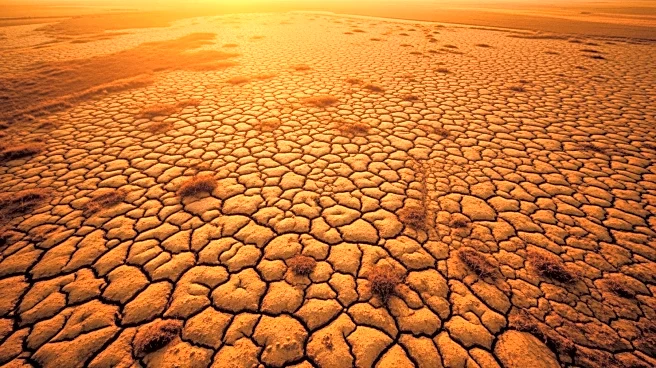
A new study has revealed the extensive ecological damage caused by the 2021 heat dome that affected North America, particularly the western United States and Canada. The heatwave, fueled by human-induced climate change, was one of the most extreme ever
recorded globally, with temperatures sometimes exceeding 50°C. Researchers found that the heatwave led to a nearly 400% increase in wildfire activity and negatively impacted over 75% of the 49 terrestrial and marine species studied. While some species, like sea lettuce, thrived due to the die-off of other algae, many others, including mussels and baby birds, suffered catastrophic losses.
Why It's Important?
The findings highlight the severe and varied impacts of extreme heat events on ecosystems, emphasizing the urgent need for climate action. The heatwave's effects on biodiversity could have long-term consequences for ecological balance and the services these ecosystems provide, such as carbon sequestration and habitat for wildlife. The study underscores the vulnerability of certain species to climate change and the importance of adaptive strategies to protect them. Additionally, the increased wildfire activity poses significant risks to human communities, infrastructure, and air quality, further illustrating the interconnectedness of ecological and human systems.
What's Next?
The study's results may prompt further research into the specific mechanisms by which heatwaves affect different species and ecosystems. Conservation efforts may need to be adjusted to account for the increased frequency and intensity of such events. Policymakers and environmental organizations might focus on developing strategies to enhance ecosystem resilience, such as habitat restoration and the creation of climate refuges. The findings could also influence climate policy discussions, reinforcing the need for comprehensive measures to mitigate climate change and its impacts on both natural and human systems.