






What's Happening?
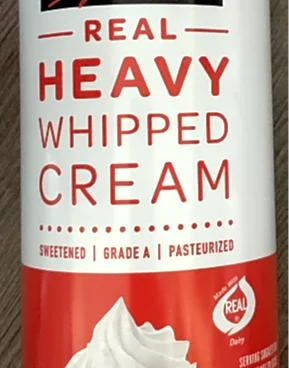
Alamance Foods, Inc. has issued a voluntary recall for cans of Kirkland Signature Real Heavy Whipped Cream sold at Costco stores. The recall was initiated due to the potential presence of a cleaning chemical in one batch of the product. The affected whipped
cream was sold in Costco stores across 12 states: Alabama, Florida, Georgia, Iowa, Illinois, Indiana, Missouri, Mississippi, North Carolina, South Carolina, Tennessee, and Wisconsin. The recalled products were sold between October 11 and October 31, 2026. Consumers have reported a chemical smell and taste, though no serious adverse effects requiring medical care have been reported. The recalled items are sold in three-packs of 15-ounce cans, bear an item code of AC50, and have a 'best if used by' date of April 2, 2027, with specific timestamps ranging from 00:35 to 02:45.
Why It's Important?
This recall is important due to potential health risks associated with consuming cleaning chemicals, even in small amounts. While no serious adverse effects have been reported, the presence of such substances in food products can lead to gastrointestinal distress or other health concerns. For Costco and Alamance Foods, Inc., this incident poses a significant challenge to consumer trust and brand reputation. Food recalls can result in substantial financial losses due to returned products, investigation costs, and potential legal liabilities. Coming just weeks before Thanksgiving, a period of high demand for such products, the timing of the recall is particularly impactful for consumers planning holiday meals. It underscores the critical importance of stringent quality control and safety protocols in food manufacturing and distribution to prevent contamination and ensure public health.
What's Next?
Consumers who have purchased the recalled Kirkland Signature Real Heavy Whipped Cream are advised to stop using it immediately and return the product to their local Costco store for a full refund. Alamance Foods, Inc. and Costco are expected to continue investigating the root cause of the contamination to prevent future occurrences. This may involve reviewing manufacturing processes, cleaning procedures, and quality assurance protocols. Regulatory bodies, such as the FDA, may also monitor the situation to ensure proper handling of the recall and adherence to food safety standards. The companies may issue further public statements or updates as more information becomes available regarding the investigation and any additional measures taken to safeguard product quality.
Beyond the Headlines
This incident highlights the vulnerabilities within the complex food supply chain, where a single point of failure in manufacturing or sanitation can lead to widespread product contamination. It underscores the continuous challenge for food producers to maintain rigorous safety standards across all stages of production, from ingredient sourcing to packaging. The recall also serves as a reminder of the critical role consumers play in food safety by paying attention to recall notices and promptly removing affected products from their homes. Beyond the immediate health concerns, such events can lead to increased scrutiny from consumer advocacy groups and regulatory agencies, potentially influencing future food safety regulations and industry best practices. The incident also emphasizes the importance of transparent communication from companies during a recall to maintain public trust.