






What's Happening?
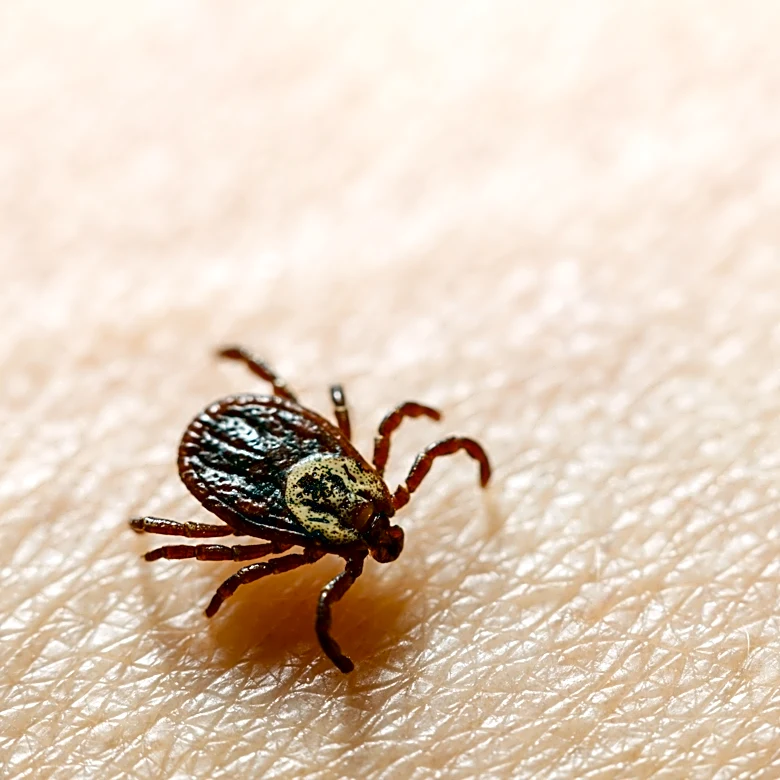
Published case reports indicate that ticks can attach to human eyelids, a rare but documented phenomenon. These cases include deeply embedded ticks and, in one extraordinary instance, a tick laying eggs while still attached to a child's eyelid. One report detailed
an 8-year-old girl with a markedly engorged Ixodes tick deeply embedded in her upper eyelid, leading to swelling and ptosis (drooping eyelid). The tick required surgical excision. Another case involved a 7-year-old girl who returned from Thailand with an Amblyomma tick attached to her upper eyelid, surrounded by multiple dark eggs. This tick eventually detached spontaneously. These incidents underscore that ticks can attach in sensitive and hard-to-reach areas, and while local irritation and swelling are common, the egg-laying event is considered highly unusual as female hard ticks typically detach before oviposition.
Why It's Important?
The occurrence of ticks attaching to eyelids, particularly the rare instance of egg-laying, highlights the diverse and sometimes unexpected ways tick exposure can manifest. While not directly indicative of Lyme disease, these cases emphasize the importance of careful tick removal, especially from delicate areas like the eye. The potential for deep embedding and the need for surgical intervention, as seen with the Ixodes tick, can lead to more complex medical procedures and increased healthcare costs. For individuals, such incidents can cause significant discomfort, anxiety, and potential complications if not managed appropriately. The unusual egg-laying event also contributes to the broader understanding of tick biology and behavior, even if it's an anomaly, informing public health advisories regarding tick encounters and removal practices.
What's Next?
Following the removal of a tick from the eyelid, medical professionals advise monitoring the attachment site for signs of local complications such as increasing redness, swelling, warmth, drainage, or persistent pain. Patients should also be vigilant for systemic symptoms that could suggest a tick-borne illness, including fever, an expanding rash, headache, or unusual fatigue, depending on the tick species and geographic exposure. While tick identification can provide useful information, clinical symptoms and the circumstances of exposure remain crucial for diagnosis. In cases of deeply embedded ticks or those in sensitive areas, medical evaluation is recommended over self-removal attempts to prevent further injury or complications. Public health campaigns may continue to emphasize general tick bite prevention and safe removal techniques, adapting to include awareness of less common attachment sites.
Beyond the Headlines
These unusual tick attachment cases, particularly the egg-laying incident, underscore the adaptability of parasites and the potential for unexpected biological events. While the immediate concern is patient health and tick-borne disease prevention, these occurrences also raise questions about environmental factors that might lead to such rare behaviors. The sensitivity of the eyelid area means that even a seemingly minor tick bite can have significant implications for vision and comfort, potentially leading to long-term psychological impacts for affected individuals, especially children. Furthermore, the need for specialized medical intervention for tick removal in such delicate locations highlights disparities in access to care and the importance of public awareness regarding when to seek professional help for tick bites, moving beyond the common advice for tick removal from less sensitive body parts.