
What's Happening?
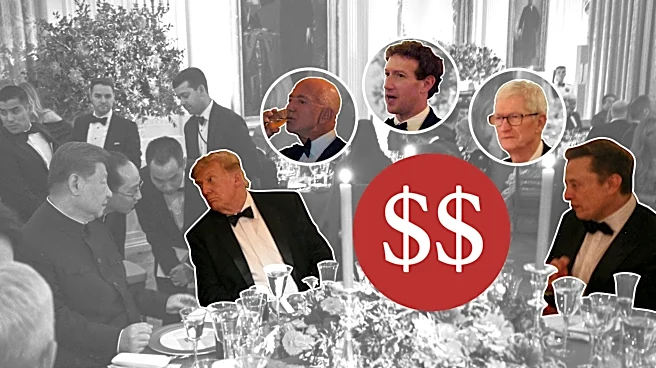
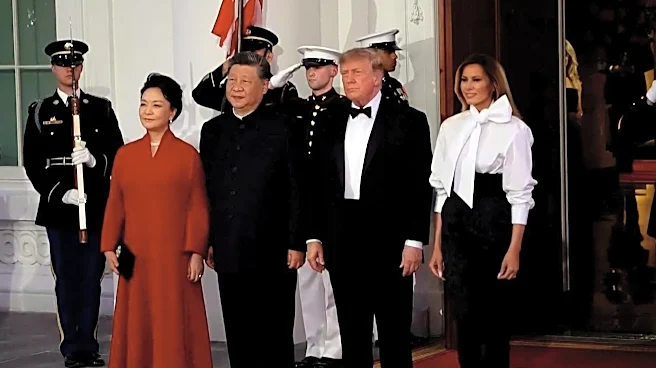
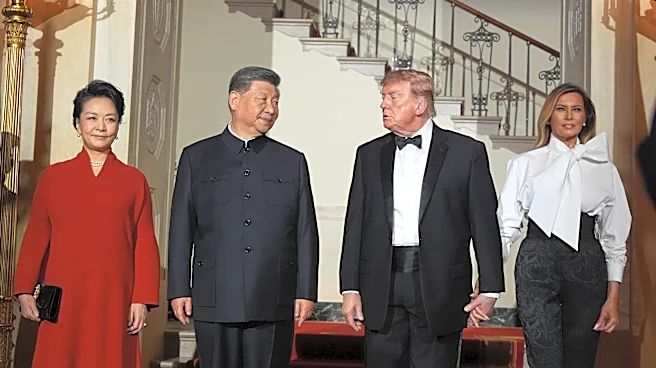
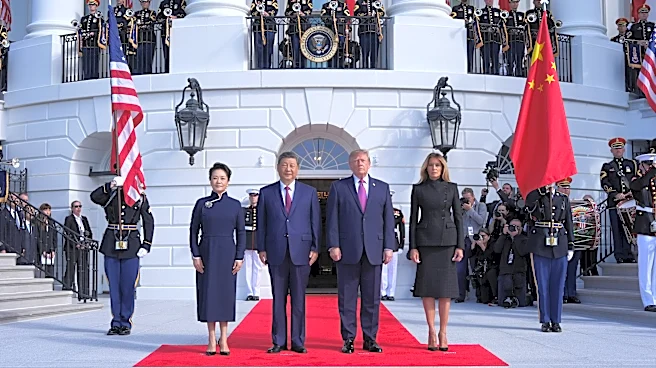
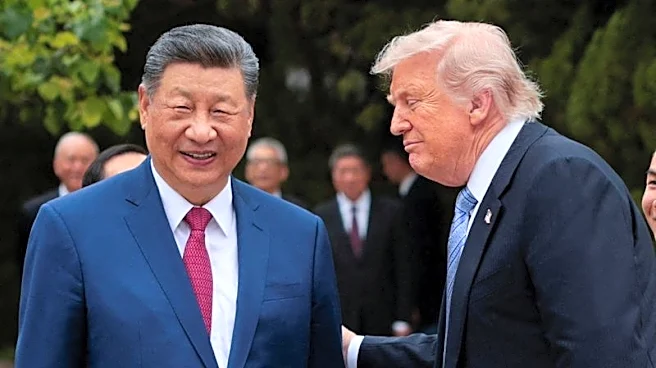
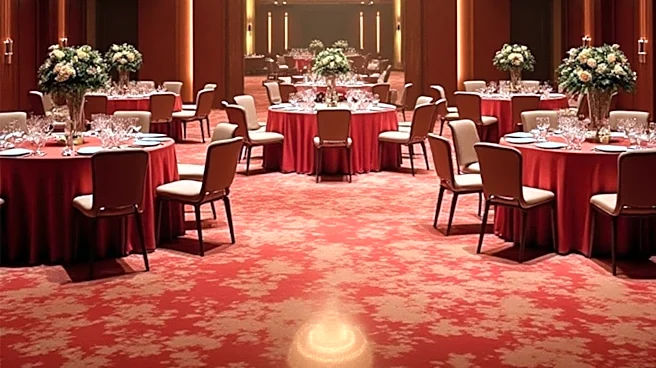
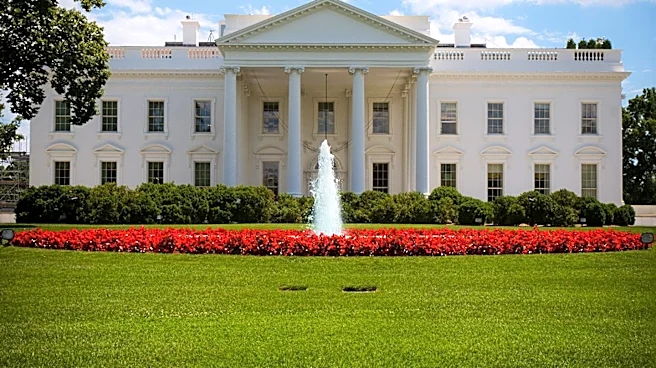
A state dinner was hosted by President Trump and First Lady Melania Trump at the White House, honoring China's President Xi Jinping. The event saw a significant presence of corporate leaders from the technology
and media sectors, alongside Fox News hosts. Notable attendees included Elon Musk, CEO of Tesla and SpaceX, who was seated at the head table with President Trump and President Xi. Other prominent figures from the tech industry present were Nvidia's Jensen Huang, Apple's Tim Cook, OpenAI CEO Sam Altman, Meta CEO Mark Zuckerberg, Amazon's Jeff Bezos, OpenAI president Greg Brockman, Google co-founder Sergey Brin and CEO Sundar Pichai, Microsoft CEO Satya Nadella, and TikTok investor Jeff Yass. From the media world, Paramount Skydance CEO David Ellison attended, shortly after his company reached a settlement for its takeover of Warner Bros. Discovery. Fox News was represented by hosts Jesse Watters and Laura Ingraham, and anchor Bret Baier. The dinner also included various other CEOs from finance, manufacturing, and other industries, as well as podcast hosts and Cheryl Hines, who attended with her husband RFK Jr.
Why It's Important?
The gathering of such influential figures from technology, media, and finance at a White House state dinner underscores the intricate relationship between U.S. political leadership, major industries, and international diplomacy, particularly concerning China. The presence of tech giants like Elon Musk, Tim Cook, and Mark Zuckerberg highlights the critical role these companies play in the global economy and their potential influence on U.S.-China relations. Their attendance could signal a desire for direct engagement with the administration on policy matters affecting their global operations, supply chains, and market access in China. For the media industry, the presence of Paramount Skydance CEO David Ellison, especially after a significant acquisition, suggests the ongoing consolidation and strategic maneuvering within the entertainment landscape. The inclusion of Fox News personalities also points to the administration's engagement with specific media outlets. This event serves as a platform for informal diplomacy and networking, potentially shaping future economic and political interactions between the U.S. and China, and influencing the domestic policy agenda concerning these powerful industries.
What's Next?
The attendance of these high-profile individuals at the state dinner could lead to various follow-up engagements and policy discussions. For the tech leaders, continued dialogue with the administration might focus on issues such as trade policies, intellectual property rights, market access in China, and regulatory frameworks affecting their businesses. Given the ongoing technological competition between the U.S. and China, these interactions could influence future government strategies regarding innovation, cybersecurity, and data privacy. For media executives, the event might open doors for further discussions on industry regulations, international content distribution, and the economic impact of global media markets. The presence of Fox News hosts could also indicate continued alignment or strategic communication efforts between the administration and specific media outlets. While no immediate policy changes are expected directly from the dinner, the networking and informal discussions held at such events often lay the groundwork for future policy initiatives, business partnerships, and diplomatic efforts, particularly in the complex U.S.-China relationship.
Beyond the Headlines
Beyond the immediate diplomatic and business implications, the convergence of tech and media titans at a state dinner reflects a broader trend of increasing intertwining between corporate power, political influence, and international relations. The event highlights how the lines between economic, technological, and geopolitical spheres are blurring, with major corporations often acting as de facto diplomatic actors. The presence of such a diverse group of industry leaders, from cutting-edge technology to traditional media, suggests a recognition by the administration of their collective impact on national interests and global standing. This gathering also subtly underscores the evolving nature of power in the 21st century, where economic and technological prowess can be as significant as traditional statecraft. The dinner could also be interpreted as an effort by the administration to leverage private sector influence in its foreign policy objectives, particularly in managing the complex relationship with China. The exclusion of certain media outlets while others were invited also raises questions about media access and the administration's communication strategies.