
What's Happening?
The U.S. Department of Defense has awarded positions on a potential 10-year, $25.3 billion contract to ten companies for engineering development support services in microelectronics. This contract, part of the
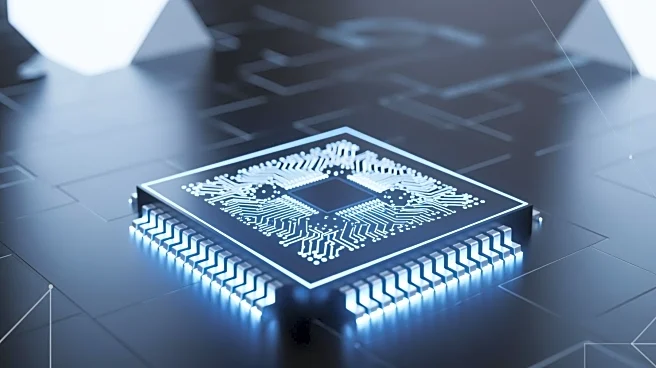
Advanced Technology Support Program (ATSP5), covers the entire lifecycle of sophisticated computer chips, including design, development, analysis, integration, and testing. The Defense Microelectronics Activity received 17 bids for this recompete. Notable awardees include newcomers like Battelle, Draper, and L3Harris Technologies, alongside incumbents such as General Dynamics and Northrop Grumman. The contract aims to ensure military systems are equipped with up-to-date microelectronics, addressing issues of obsolescence.
Why It's Important?
This contract is crucial for maintaining the technological edge of U.S. military systems by ensuring they are equipped with the latest microelectronics. The inclusion of both new and incumbent companies reflects a strategic approach to fostering innovation and competition within the defense sector. The contract's focus on advanced technologies like quantum computing and nanoelectronics highlights the Defense Department's commitment to staying ahead in technological advancements. This initiative is expected to drive significant research and development efforts, potentially leading to breakthroughs in microelectronics that could benefit both military and commercial applications.
What's Next?
The awarded companies will embark on research and development projects in areas such as quantum computing and three-dimensional manufacturing techniques. These efforts are expected to result in the development of cutting-edge microelectronics that enhance the capabilities of military systems. The contract's long-term nature suggests ongoing collaboration between the Defense Department and the private sector, with potential adjustments based on technological advancements and emerging threats. Stakeholders will likely monitor the progress of these projects closely, given their potential impact on national security and technological leadership.