








What's Happening?
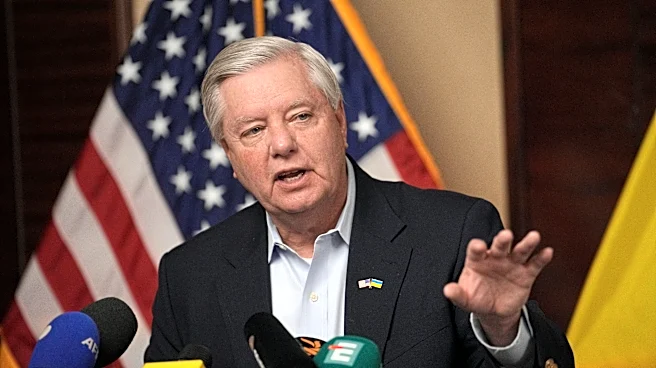
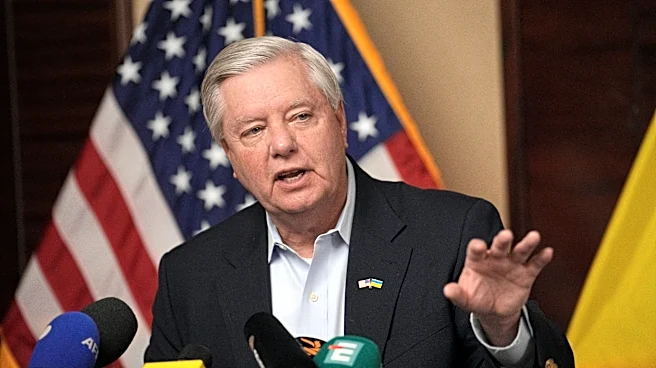
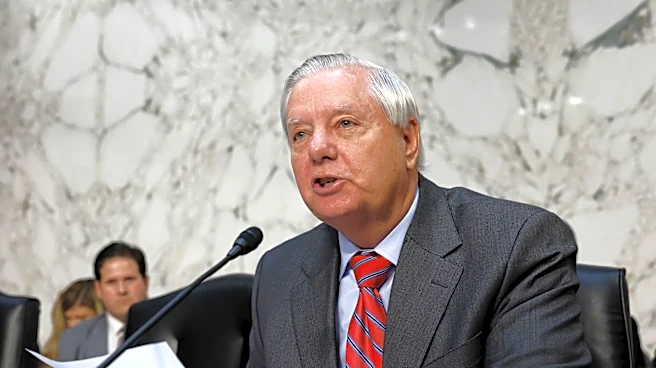
Senator Lindsey Graham, a prominent Republican figure and supporter of President Trump, has died at the age of 71 following a brief illness. Graham, who was seeking a fifth term in the Senate, was known for his strong military advocacy and his role in shaping
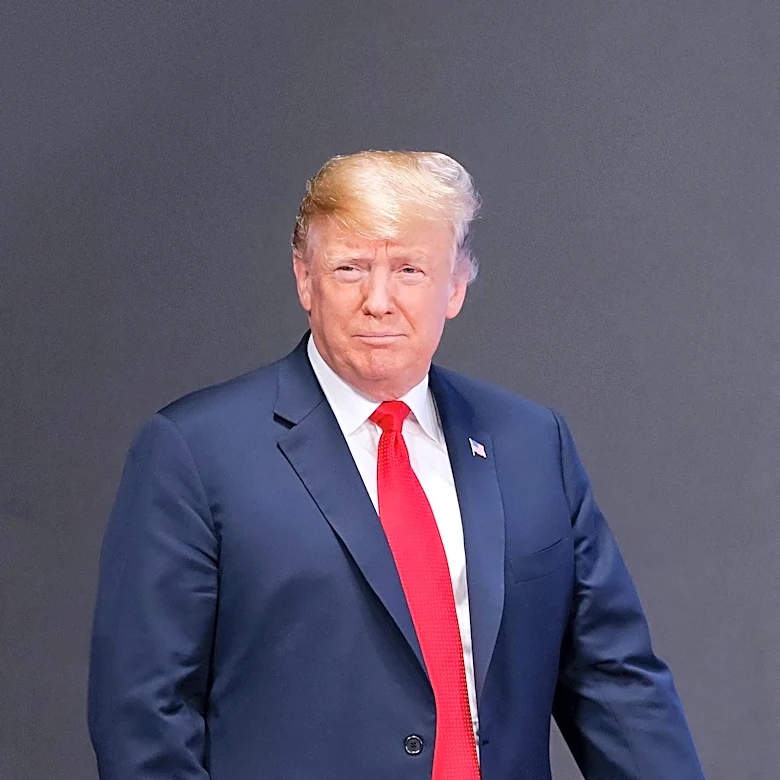
U.S. foreign policy. He was a key supporter of increased military intervention and a staunch ally of Israel. Graham also played a significant role in the passage of President Trump's 'One Big Beautiful Bill,' which impacted student debt repayment programs and increased border security spending. His death has prompted condolences from various leaders, including President Trump and Israeli Prime Minister Benjamin Netanyahu.
Why It's Important?
Graham's death marks the loss of a significant political figure who influenced U.S. military and foreign policy. His support for military interventions and alliances, particularly with Israel, shaped U.S. international relations. Domestically, his involvement in student debt reform and border security legislation had substantial impacts on American policy. His passing may lead to shifts in political dynamics, especially in South Carolina, where he was a long-serving senator. The future of his legislative initiatives, particularly those related to military and foreign policy, may also be affected.
What's Next?
With Graham's passing, there will be a vacancy in the Senate that will need to be filled, potentially altering the balance of power. The Republican Party in South Carolina will need to nominate a candidate to run for his seat. Additionally, the legislative initiatives he championed, such as military support and student debt reform, may face new challenges or changes in direction. Political leaders and stakeholders will likely assess the impact of his absence on ongoing and future policy discussions.