






What's Happening?
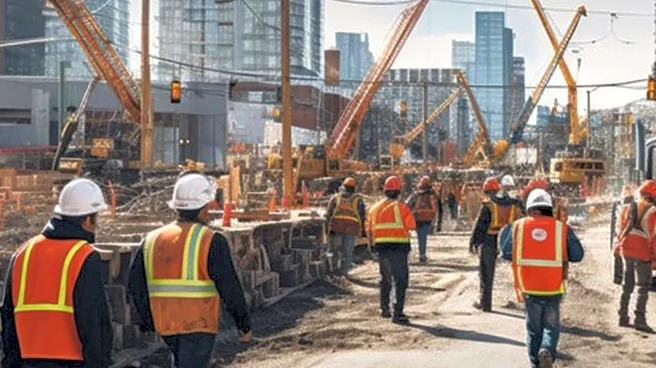
The U.S. construction industry is grappling with a significant skilled labor shortage, which is prolonging homebuilding times and increasing housing costs. According to an HBI study, each home now takes nearly two months longer to build, leading to a reduction
of 19,000 homes in 2024 and an economic loss exceeding $8 billion. The Associated Builders and Contractors (ABC) estimates that the industry needs to attract approximately 349,000 net new workers in 2026 and 456,000 in 2027 to meet demand. This deficit is attributed to several factors over the past three decades, including a societal emphasis on four-year degrees over trade careers, a higher rate of workforce retirements compared to new entries, and the loss of skilled workers during the 2008 financial crisis. Additionally, recent immigration policy challenges have further exacerbated the shortage. Organizations like the Home Builders Institute (HBI) are actively working to address this by training veterans and transitioning military personnel for skilled trades, with support from partners like Invitation Homes and Google.org.
Why It's Important?
The skilled labor shortage in construction has profound implications for the U.S. economy and society. The extended construction timelines and reduced housing output directly contribute to the ongoing housing affordability crisis, making it more difficult for individuals and families to find affordable homes. This also impacts economic growth, as the construction sector is a significant contributor to the nation's GDP. The reliance on a smaller workforce can lead to increased labor costs, which are then passed on to consumers, further inflating housing prices. Furthermore, the lack of skilled tradespeople can hinder infrastructure development and maintenance projects, potentially affecting public safety and economic competitiveness. The efforts by HBI to train veterans are crucial, as they not only provide a solution to the labor gap but also offer meaningful career paths for former service members, leveraging their discipline and work ethic for a critical national need.
What's Next?
To mitigate the skilled labor shortage, the construction industry and supporting organizations will likely continue to expand training programs, particularly those targeting underutilized talent pools like veterans. Partnerships between industry groups, educational institutions, and corporations, similar to the HBI and Invitation Homes collaboration, are expected to grow. There may also be increased advocacy for policy changes that support vocational training and address immigration challenges to facilitate the entry of skilled workers. Companies involved in remote construction projects, like SAVARD, will continue to play a role in mobilizing traveling crews to fill immediate needs in areas with insufficient local labor. The long-term outlook suggests a continued push to shift societal perceptions regarding skilled trades, promoting them as viable and lucrative career paths to attract younger generations away from the exclusive pursuit of four-year degrees.
Beyond the Headlines
Beyond the immediate economic impact, the skilled labor shortage highlights a broader societal challenge regarding vocational education and workforce development. The historical emphasis on university degrees has inadvertently devalued skilled trades, leading to a generational gap in essential construction skills. This trend raises questions about the future resilience of the U.S. economy and its ability to maintain critical infrastructure and housing stock. The increasing interest among Gen-Zers in skilled trades as a pathway to business ownership could signal a cultural shift, potentially revitalizing these professions. Addressing this shortage also involves ethical considerations regarding fair wages, safe working conditions, and comprehensive benefits to attract and retain workers in physically demanding jobs. The long-term solution requires a holistic approach that integrates educational reform, supportive government policies, and sustained industry investment to ensure a robust and skilled workforce for future generations.