








What's Happening?
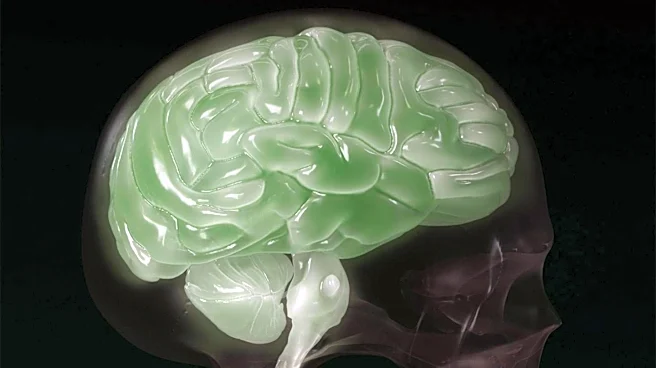
A new study published in the BMJ explores the use of non-invasive brain stimulation to improve communication and language skills in children with autism. The technique, known as Theta Burst Stimulation, involves delivering rapid magnetic pulses to specific
areas of the brain. The study included 194 children, some with intellectual disabilities, and found that those who received the real treatment showed significant improvements in communication abilities. The treatment was completed over five days and did not result in severe side effects, offering a promising new approach for supporting children on the autism spectrum.
Why It's Important?
This study represents a potential breakthrough in autism treatment, particularly for children with intellectual disabilities who are often excluded from clinical research. The use of non-invasive brain stimulation could provide a new tool for improving communication skills, reducing the need for long-term behavioral therapies. The findings offer hope for families seeking effective interventions for autism, as the treatment is relatively short and does not require medication or surgery. If further research confirms these results, it could lead to wider adoption of this technique in clinical settings.
What's Next?
Researchers plan to conduct additional studies to determine the long-term effects of the treatment and its efficacy in real-world settings. They will also explore the potential for maintenance treatments and assess the accessibility of the technology, which requires specialized equipment and trained professionals. As the research progresses, it may lead to the integration of advanced brain technologies into pediatric care, providing new options for children with autism and their families. The study's success could also inspire further exploration of non-invasive brain stimulation for other neurological and developmental disorders.