





What's Happening?
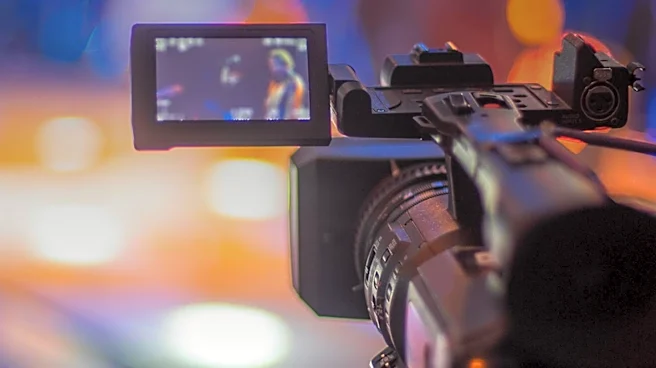
In Madison, Wisconsin, a police shooting involving a homeless man named Corey Ruiz has sparked controversy due to the absence of bodycam footage. The Madison Police Department does not require officers to wear body cameras, leaving a gap in the documentation
of the incident where Ruiz allegedly pulled a knife, injuring an officer before being shot. This incident has reignited debates over the implementation of body cameras, a topic that has seen resistance due to budget concerns and fears of surveillance on marginalized communities. Despite a past proposal to fund body cameras being rejected, a new proposal for a three-year rollout is expected to be approved.
Why It's Important?
The lack of bodycam footage in this incident highlights ongoing challenges in police accountability and transparency. Body cameras are seen as essential tools for modern policing, providing objective accounts of police interactions. The absence of such footage can hinder investigations and public trust, particularly in communities with strained police relations. The debate in Madison reflects broader national discussions on balancing law enforcement transparency with privacy and budgetary constraints. The outcome of this debate could influence similar discussions in other cities, impacting public policy and community-police relations across the U.S.
What's Next?
The Madison Common Council is expected to approve a new proposal to allocate funds for body cameras, which could lead to their implementation in the near future. This decision may face opposition from community groups concerned about surveillance, but the recent shooting could sway public opinion towards supporting the measure. The state investigation into the shooting will proceed without bodycam footage, potentially affecting its findings. The outcome of this case and the council's decision could set a precedent for other cities grappling with similar issues.

