







What's Happening?
Efforts to reopen the Strait of Hormuz face significant challenges, even as the vital waterway remains a focal point for global oil shipments. Experts warn that reopening the strait alone will not resolve ongoing shipping disruptions and high oil prices.
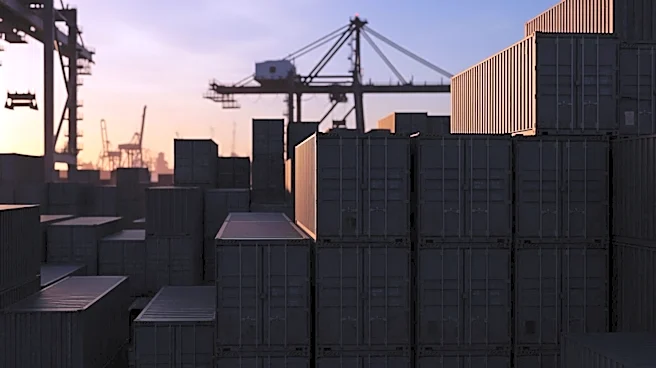
The current ceasefire is fragile, and shipping lines are hesitant to re-enter the Persian Gulf due to the risk of renewed conflict. The lack of empty ships entering the Gulf to pick up new cargo means that shortages and elevated prices for oil and other goods are likely to persist. The situation underscores the complexities of restoring normalcy in the region's shipping and trade dynamics.
Why It's Important?
The Strait of Hormuz is a critical chokepoint for global oil and goods shipments, and its closure has far-reaching economic implications. The ongoing disruptions contribute to elevated oil prices and supply chain challenges, affecting industries and consumers worldwide. The hesitancy of shipping lines to re-enter the Gulf highlights the broader uncertainties in the region, impacting global trade and economic stability. Resolving these issues is crucial for stabilizing markets and ensuring the free flow of goods, but the path forward remains uncertain.
Beyond the Headlines
The situation in the Strait of Hormuz reflects broader geopolitical tensions and the challenges of maintaining international trade routes in conflict-prone areas. The reliance on maritime shipping for critical goods like oil and fertilizer underscores the vulnerabilities in global supply chains. The ongoing disruptions may prompt a reevaluation of trade strategies and the need for alternative routes or solutions to mitigate future risks. Additionally, the situation highlights the importance of diplomatic efforts in resolving conflicts that have significant economic and humanitarian impacts.