







What's Happening?
The National Flood Insurance Program (NFIP), established by Congress in 1968, is facing significant challenges, with millions of properties at high risk of flooding lacking adequate insurance coverage. An Associated Press analysis reveals that only 2.4%
of properties nationwide are covered by federal flood insurance policies, despite 8.4% being at severe or extreme risk. This gap is particularly pronounced in areas like eastern Kentucky, where only 2.1% of properties were insured during the 2022 floods, even though 47% were at severe or extreme risk. The number of policies has decreased by approximately 500,000 in the last five years, largely due to rising prices. The typical annual cost of a flood insurance policy has increased by roughly 90% in the past five years, reaching about $1,100. This increase is attributed to the implementation of Risk Rating 2.0, a system designed to more accurately align flood risk with insurance prices, which has resulted in higher costs for many policyholders, especially in Gulf Coast states.
Why It's Important?
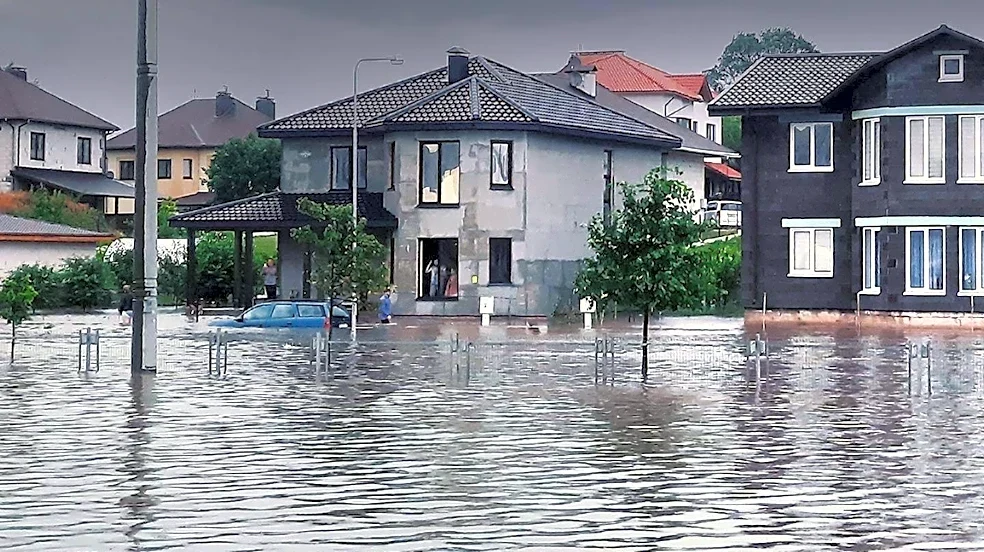
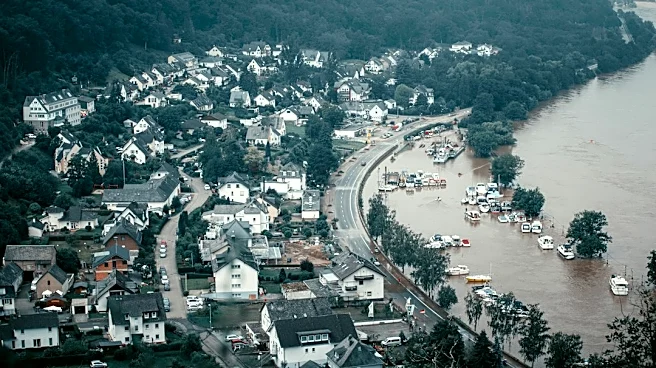
The shortcomings of the NFIP have profound implications for U.S. homeowners, businesses, and taxpayers. The significant gap between properties at risk and those insured leaves millions vulnerable to devastating financial losses from floods, which are becoming more frequent and intense due to climate change. When uninsured properties are hit, the burden often falls on federal disaster assistance programs like FEMA, which provide limited aid and do not cover full rebuilding costs. This creates a cycle where communities struggle to recover, and taxpayers bear a substantial portion of the financial burden. The rising cost of insurance, while aiming for actuarial soundness, makes coverage unaffordable for many, particularly in lower-income areas, exacerbating existing inequalities and hindering long-term resilience against natural disasters. The program's $20 billion debt further underscores its financial instability and the urgent need for reform.
What's Next?
Proposals to overhaul the NFIP have stalled, with ongoing debates about balancing affordability, financial soundness, and comprehensive coverage. FEMA acknowledges that stronger building codes, smarter zoning, and competitive private insurance options are needed, but legislative action is required to address affordability issues. The agency is also developing a new system called 'Future of Flood Risk Data' to replace current flood maps with more nuanced models, aiming to better identify risk and mandate insurance where necessary, though the timeline for this implementation is unclear. Without significant reforms, the trend of rising insurance costs, declining policy numbers, and increased reliance on federal disaster aid is likely to continue, leaving more communities exposed to the escalating financial and social impacts of flooding across the United States.
Beyond the Headlines
The challenges facing the NFIP highlight a deeper societal issue: the tension between individual responsibility, government intervention, and the escalating realities of climate change. The program's conflicting goals—to be affordable, financially sound, widely available, and risk-informed—often pull in opposite directions, leading to political stalemates and short-term reauthorizations. This situation raises ethical questions about who should bear the cost of climate-induced disasters and how to equitably protect vulnerable populations. The inadequacy of current flood maps, which often fail to account for all types of flood risk, such as inland heavy rains, means that many homeowners are unknowingly exposed to significant danger. This lack of accurate information and affordable protection can lead to a cycle of displacement and economic hardship, particularly in poorer regions, underscoring the need for a holistic approach that integrates climate adaptation, urban planning, and equitable financial solutions.