








What's Happening?
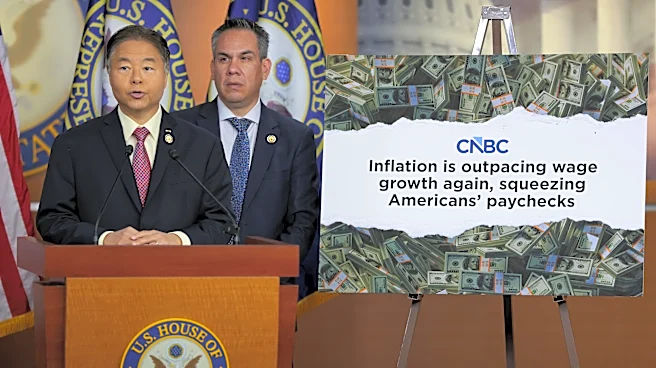
The Internal Revenue Service (IRS) has announced significant adjustments to federal tax brackets and standard deductions for the 2027 tax year. These changes are designed to mitigate the impact of inflation on American workers' paychecks, preventing rising
wages from inadvertently pushing earners into higher tax brackets. The IRS will maintain the seven existing individual federal tax rates (10%, 12%, 22%, 24%, 32%, 35%, and 37%), but the income thresholds for each bracket have been increased. For single filers, the 10% rate will apply to taxable income up to $12,800, while the top 37% rate will begin at incomes exceeding $661,375. For married couples filing jointly, the 10% rate covers income up to $25,600, with the highest bracket starting at $793,650. Standard deductions are also increasing across all filing categories, with single filers seeing an increase to $16,600 and married joint filers to $33,200. Additionally, several key tax credits, estate exclusions, and employee benefit caps, such as the Child Tax Credit and Earned Income Tax Credit, are also being raised for 2027.
Why It's Important?
These adjustments are crucial for American taxpayers as they directly influence disposable income and financial planning. By raising tax bracket cutoffs and increasing standard deductions, the IRS aims to prevent 'bracket creep,' where inflation-driven wage increases lead to a higher tax burden without a real increase in purchasing power. This move is intended to provide a built-in cushion against inflation, allowing working families to retain more of their earnings. The increases in tax credits, such as the Child Tax Credit and Earned Income Tax Credit, further support families and low-to-moderate-income individuals, enhancing their financial stability. For businesses, increased expensing limits will also offer tax benefits. These changes will impact payroll withholding throughout 2027 and will be reflected when taxpayers file their federal returns in 2028, influencing household budgets and economic activity.
What's Next?
The newly announced tax brackets, standard deduction amounts, and credit limits will take effect for the 2027 calendar year. Taxpayers will begin to see these adjustments reflected in their financial planning and payroll withholdings. Individuals are advised to review their existing paycheck withholding forms with employers ahead of the 2027 tax year to ensure their allowances align with the larger standard deductions and updated tax parameters. This proactive step can help prevent under- or over-withholding of taxes. When the 2028 tax filing season arrives, individual taxpayers will utilize these adjusted calculations to prepare and submit their federal tax returns. The IRS will continue to monitor economic conditions and may make further adjustments in subsequent years to account for inflation and other economic factors, ensuring the tax system remains responsive to the financial realities of American households.
Beyond the Headlines
The annual inflation adjustments to the tax code highlight the ongoing challenge of maintaining fairness and stability in a dynamic economic environment. While these adjustments are a standard practice, they underscore the persistent impact of inflation on household finances and the government's role in mitigating its effects through fiscal policy. The adjustments also reflect a broader commitment to the Working Families Tax Cuts (WFTC), aiming to provide relief to a wide range of taxpayers. However, the effectiveness of these measures in truly offsetting the rising cost of living is a subject of continuous debate among economists and policymakers. The changes also subtly influence consumer spending patterns and investment decisions, as individuals and businesses adjust their financial strategies in response to altered tax liabilities. This annual recalibration is a critical component of the U.S. tax system, designed to adapt to economic shifts and maintain a degree of equity in taxation.