




What's Happening?
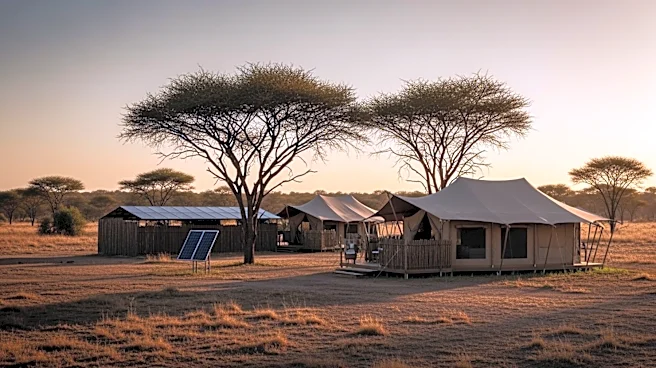
JW Marriott has announced the opening of its Mount Kenya Rhino Reserve Safari Camp, set to welcome guests starting July 2026. Located within the Solio Game Reserve, the camp offers a luxury safari experience with 19 tented sanctuaries, including a two-bedroom
suite. The camp emphasizes sustainability, incorporating systems to reuse, recycle, and repurpose waste, and sourcing materials from local Kenyan suppliers. The workforce will predominantly consist of Kenyan nationals, contributing to local employment and training. The camp also plans to engage with local initiatives, such as supporting a nearby school. Guests can enjoy various activities, including cycling safaris, game drives, and nature walks, while dining options feature locally inspired cuisine.
Why It's Important?
The opening of the JW Marriott Mount Kenya Rhino Reserve Safari Camp highlights the growing trend of eco-friendly luxury travel. By embedding sustainability into its operations, the camp sets a precedent for responsible tourism, which is increasingly important as travelers seek environmentally conscious options. The camp's focus on local engagement and employment supports the Kenyan economy and promotes cultural exchange. This development may encourage other luxury brands to adopt similar practices, potentially leading to broader industry shifts towards sustainability. The camp's initiatives also contribute to wildlife conservation efforts, enhancing the ecological value of the region.
What's Next?
As the camp prepares to open, it will likely attract attention from eco-conscious travelers and luxury tourism stakeholders. The success of this venture could influence other hospitality brands to prioritize sustainability and local engagement in their operations. Additionally, the camp's collaboration with local initiatives may inspire further community-based projects, fostering long-term benefits for the region. Monitoring the camp's impact on local wildlife and communities will be crucial in assessing its overall success and sustainability.
Beyond the Headlines
The camp's approach to sustainability and local engagement reflects broader ethical considerations in the tourism industry. By prioritizing environmental responsibility and community support, JW Marriott addresses the growing demand for ethical travel options. This development may prompt discussions on the role of luxury brands in promoting sustainable practices and supporting local economies. The camp's initiatives could serve as a model for balancing luxury with ecological and social responsibility, potentially influencing industry standards and consumer expectations.