





What's Happening?
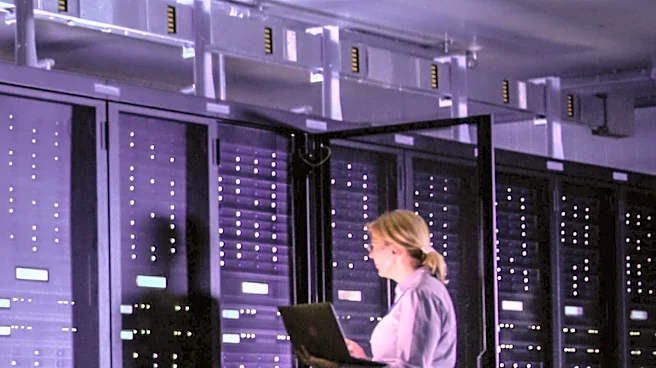
The Electric Reliability Council of Texas (ERCOT) has projected that the state's energy demand will nearly double by 2032, reaching approximately 175,000 megawatts. This surge is attributed to a significant increase in data centers, a growing population,
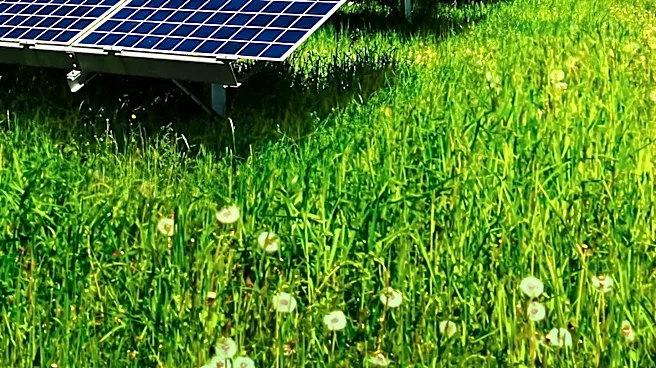
and other industrial projects. ERCOT's CEO, Pablo Vegas, highlighted these developments during a presentation to the Texas Senate Business and Commerce Committee. The state's deregulated energy market, which compensates power generators based on actual power supplied, is expected to adapt to this demand through increased solar and battery storage. Recent records show that solar and battery power have been instrumental in meeting peak energy demands, with solar generation accounting for over 45% of electricity at times. Despite these advancements, there is a call for more natural gas power generation to ensure stability when solar power is unavailable.
Why It's Important?
The anticipated doubling of energy demand in Texas underscores the state's rapid economic growth and the increasing role of technology infrastructure, such as data centers. This growth presents both opportunities and challenges for the energy sector. On one hand, the expansion of renewable energy sources like solar and battery storage positions Texas as a leader in clean energy, potentially reducing costs and environmental impact. On the other hand, the need for additional natural gas generation highlights ongoing reliance on fossil fuels, raising concerns about sustainability and energy security. The ability of Texas to balance these energy sources will be crucial in maintaining grid reliability and supporting continued economic expansion.
What's Next?
To address the projected energy demand, Texas will likely see further investments in both renewable and traditional energy sources. The state legislature may consider additional measures to incentivize the development of natural gas power plants, ensuring a balanced energy mix. ERCOT's ongoing efforts to refine its forecasting system will be critical in planning for future energy needs. Stakeholders, including policymakers, energy companies, and environmental groups, will need to collaborate to ensure that Texas's energy infrastructure can support its growth while minimizing environmental impact.