



What's Happening?
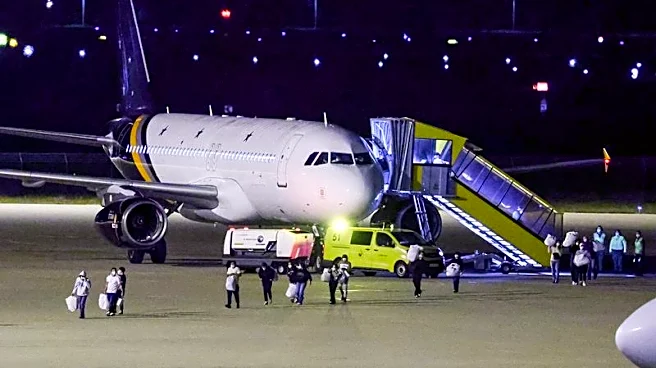
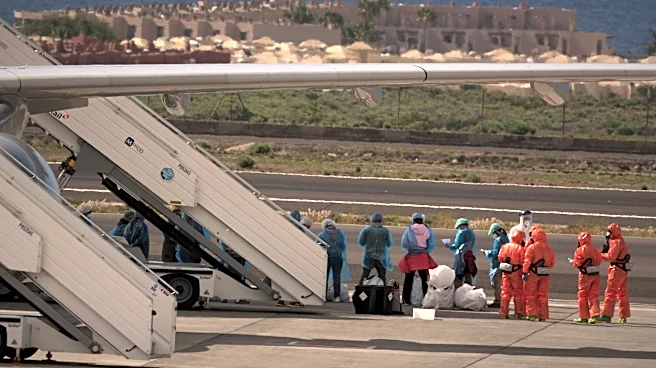
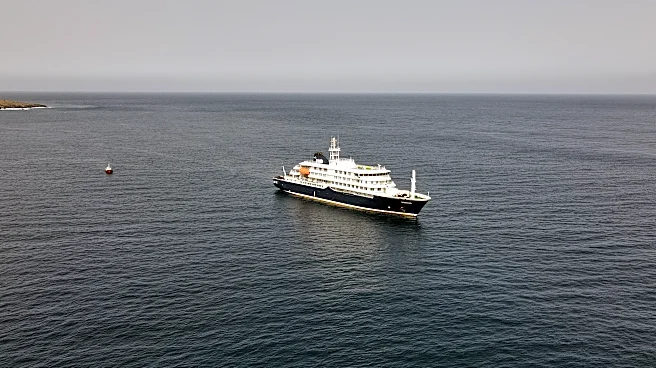
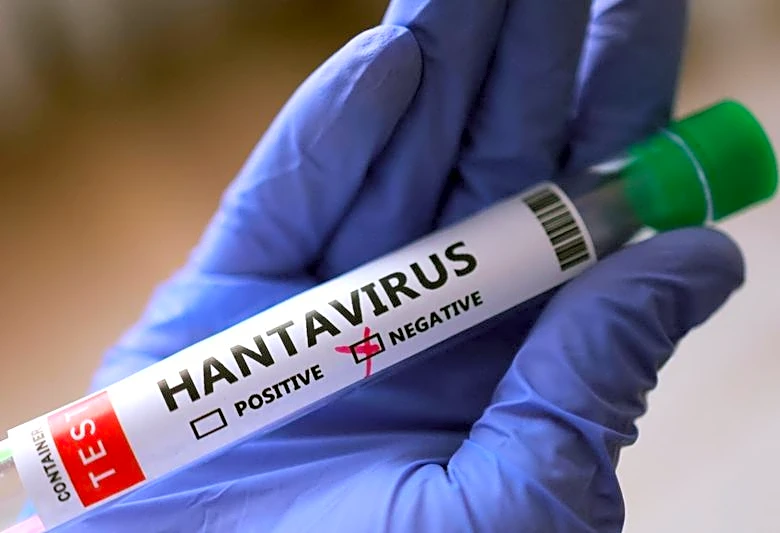
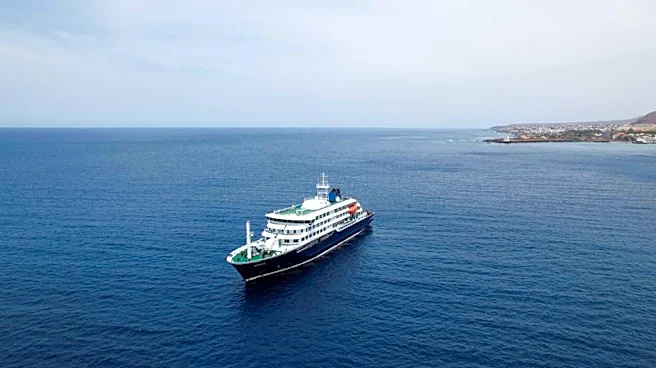
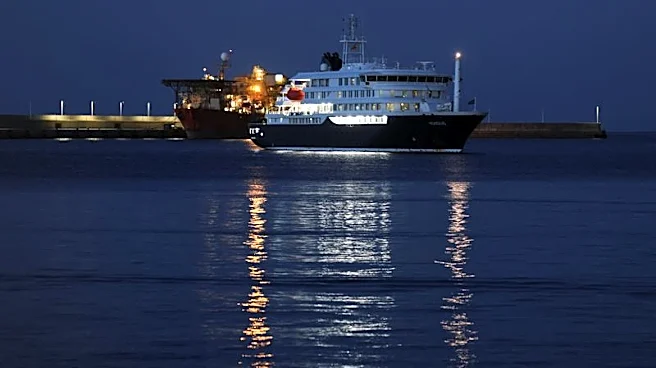
A French woman who tested positive for hantavirus after disembarking from the MV Hondius cruise ship is now in critical condition. Initially, her symptoms were dismissed as anxiety by doctors. The woman's condition worsened after leaving the ship, which
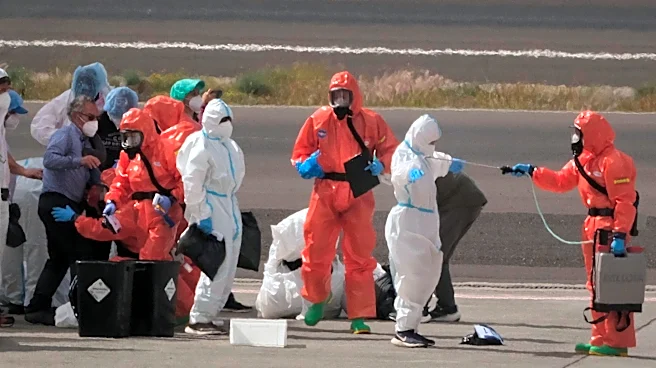
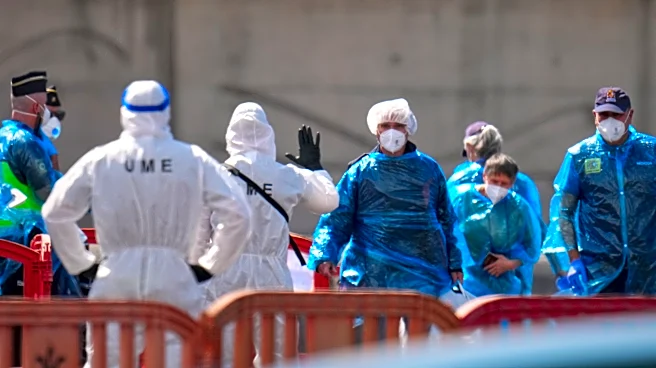
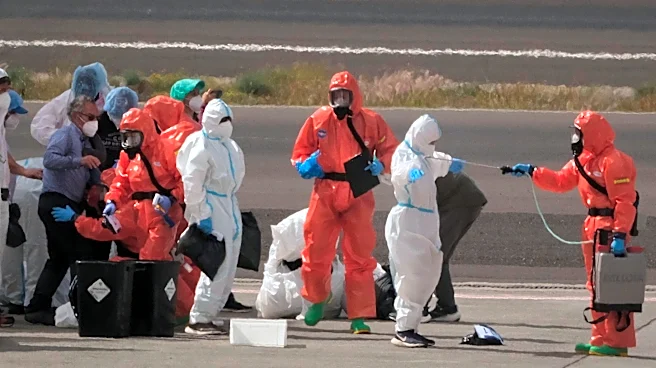
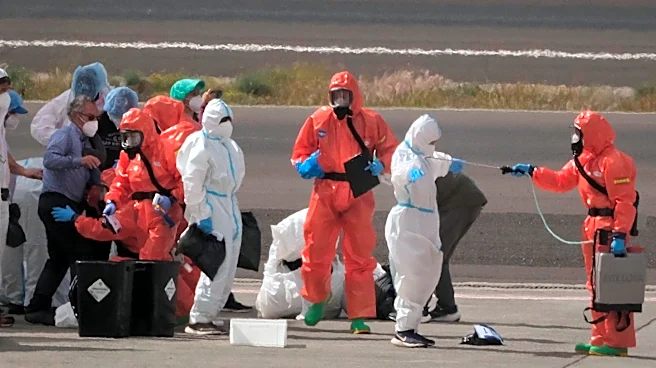
had docked in Spain's Canary Islands. She was flown to a hospital in Paris, where her health deteriorated overnight. The outbreak on the ship has led to the quarantine of several hospital workers in the Netherlands who handled samples without proper protective equipment. The hantavirus outbreak on the ship has resulted in three deaths and has put dozens at risk of infection.
Why It's Important?
The misdiagnosis highlights the challenges in identifying and managing rare infectious diseases like hantavirus, which can have severe consequences if not promptly treated. The outbreak on the MV Hondius underscores the need for heightened vigilance and preparedness in handling infectious diseases, especially in confined environments like cruise ships. The situation also raises concerns about the adequacy of current health protocols and the potential for similar outbreaks in the future. The incident has prompted international health authorities to reassess their response strategies to prevent further spread.
What's Next?
Health officials are closely monitoring the situation, with quarantines in place for those exposed. The World Health Organization has issued guidelines for managing such outbreaks, emphasizing the importance of early detection and isolation. The incident may lead to stricter health regulations for cruise ships and other travel-related industries. Authorities are likely to conduct thorough investigations to understand the outbreak's origins and prevent recurrence. The situation may also prompt discussions on improving global health response systems to better handle emerging infectious diseases.