



What's Happening?
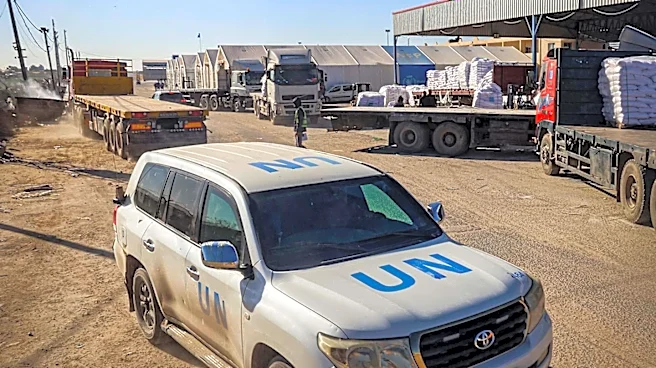
Turkey is increasing its influence in Lebanon through a combination of military assistance and humanitarian projects. Since 2015, Lebanon has been part of Turkey's foreign military assistance program, with Ankara pledging $7 million worth of military equipment
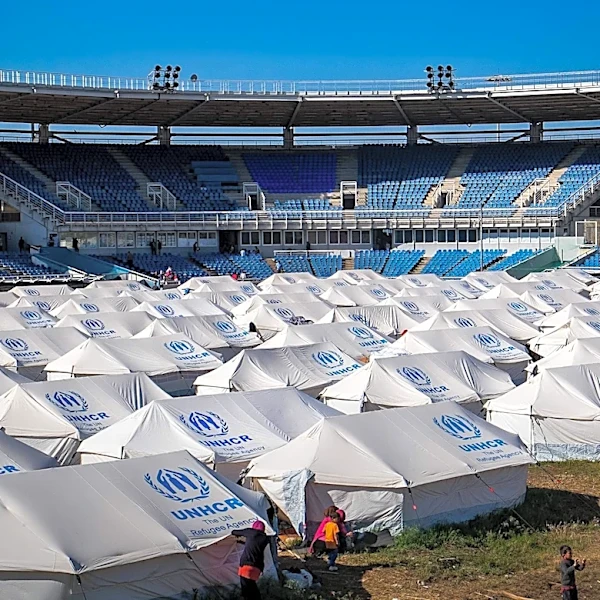
in 2018. Amid Lebanon's ongoing economic crisis, Turkey has provided spare parts, ammunition, and food supplies to Lebanese security forces. Beyond military cooperation, Turkey's official aid agency, TIKA, has been active in Lebanon, supporting medical programs, Palestinian refugee camps, and cultural initiatives. Recently, TIKA and the Turkish Embassy opened a technology laboratory in Beirut to develop digital skills among children and teenagers.
Why It's Important?
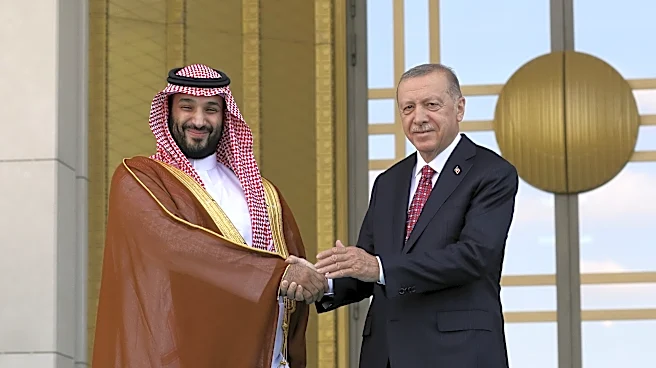
Turkey's growing presence in Lebanon is significant for regional geopolitics, as it reflects Ankara's broader ambitions in the Middle East. By strengthening ties with Lebanon, Turkey aims to bolster its influence and support regional stability. However, this expansion raises concerns for Israel, given Turkey's critical stance towards Jerusalem and its ties with organizations Israel considers terrorist groups. The situation underscores the complex dynamics in the region, where humanitarian aid and military support are intertwined with political interests. Turkey's actions could impact the balance of power and diplomatic relations in the Middle East.
What's Next?
Turkey is likely to continue its support for Lebanon, both militarily and through humanitarian efforts. This ongoing involvement may lead to further collaborations between the two countries, potentially affecting Lebanon's political landscape. Israel and other regional players will be closely monitoring Turkey's activities, which could lead to diplomatic tensions or adjustments in foreign policy. The international community may also respond by reassessing their own strategies in the region, considering Turkey's expanding role. The situation remains fluid, with potential implications for regional security and cooperation.