




What's Happening?
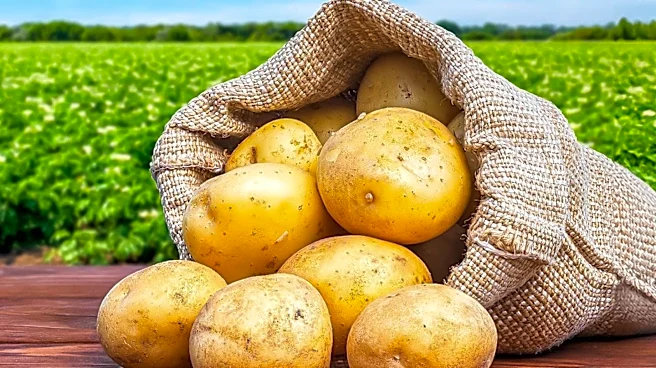
Potato farmers are facing challenges due to consecutive heatwaves affecting their crops. The high temperatures have disrupted the natural dormancy of potato tubers, causing them to sprout prematurely. This premature sprouting threatens both the yield
and quality of the potatoes, as the tubers begin to form new shoots instead of growing larger. The situation is exacerbated by the timing of the heatwaves, which coincide with critical growth stages for the potatoes. Farmers are exploring strategies to mitigate the impact, including adjusting irrigation practices and exploring alternative crop management techniques.
Why It's Important?
The impact of heatwaves on potato crops highlights the broader issue of climate change and its effects on agriculture. Potato farmers, a vital part of the agricultural sector, face potential economic losses due to reduced yields and quality. This situation underscores the need for adaptive agricultural practices and innovations to cope with changing climate conditions. The challenges faced by potato farmers may prompt discussions on sustainable farming practices and the development of heat-resistant crop varieties. The agricultural industry, policymakers, and researchers must collaborate to address these challenges and ensure food security.
What's Next?
Farmers will continue to monitor weather patterns and adjust their practices to mitigate the impact of heatwaves. Research into heat-resistant potato varieties and improved irrigation techniques may gain momentum as stakeholders seek long-term solutions. The agricultural community may also advocate for policy support and funding to develop and implement adaptive strategies. Collaboration between farmers, researchers, and government agencies will be crucial in developing effective responses to climate-related challenges in agriculture.