








What's Happening?
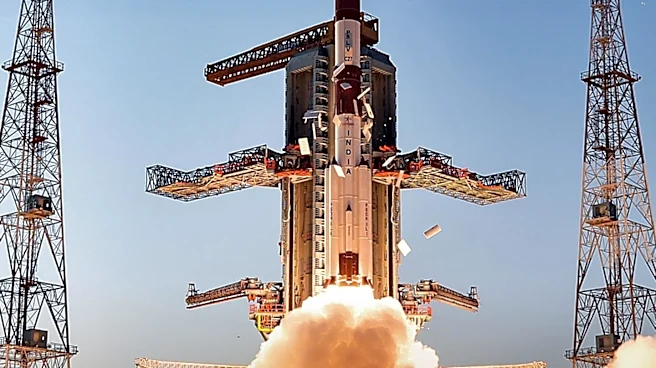
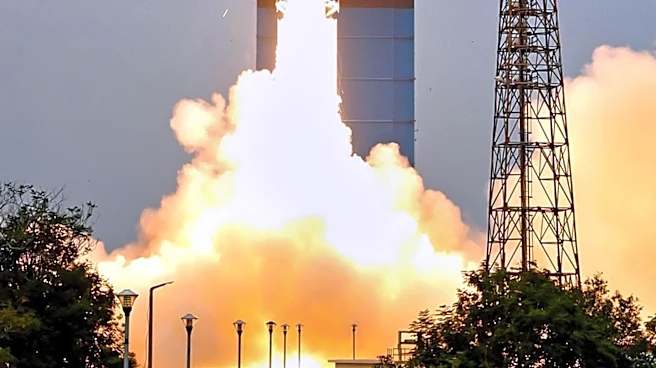
Skyroot Aerospace, a private Indian company, successfully launched its Vikram-1 rocket, marking India's entry into the exclusive club of countries with private-sector orbital launch capabilities. The rocket carried six payloads, including a robotic arm
for space debris capture and an Earth-observation camera. This launch signifies a major step for India's private space industry, which aims to increase its share of the global commercial space market. The mission, named Aagman, is the first of two planned test flights, with commercial services expected to begin in 2027.
Why It's Important?
This launch is a significant achievement for India's private space sector, highlighting the country's growing capabilities in space technology. By enabling private companies to develop and launch their own rockets, India aims to boost its presence in the global space market. The success of Skyroot Aerospace could attract more international customers and investment, potentially positioning India as a key player in the small-satellite launch market. This development also reflects the broader trend of increasing privatization and commercialization in the space industry.
What's Next?
Skyroot plans a second test flight before the end of the year, with commercial launches slated for 2027. The company aims to produce one Vikram-1 rocket per month, targeting international customers in various sectors. Success in these endeavors could help India achieve its goal of capturing a larger share of the global space market. However, Skyroot will need to demonstrate consistent reliability and efficiency to compete with established players like Rocket Lab and SpaceX.