


What's Happening?
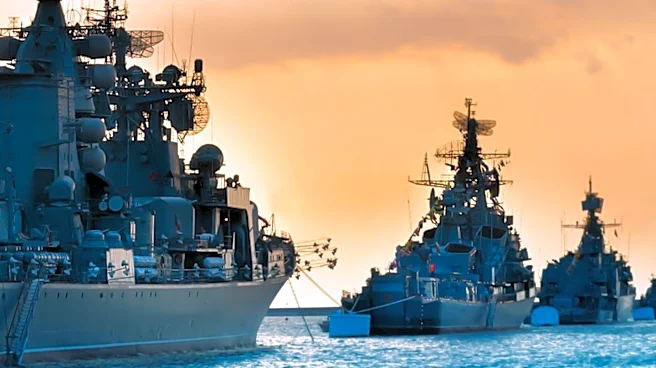
President Trump announced on Friday, August 14, 2026, his intention to declare the Strait of Hormuz a territory of the United States once the ongoing conflict with Iran is resolved. This statement was made during a Long Island rally for Republican candidates.
President Trump also criticized US allies, specifically NATO, for their perceived lack of assistance in securing the vital waterway. He acknowledged the economic impact of the nearly six-month conflict, including increased gas prices, but asserted that preventing Iran from developing nuclear weapons justifies the cost, stating Americans might pay "a tiny little bit more for your gasoline." This declaration follows the collapse of a preliminary peace deal with Iran last month, after Iran reportedly attempted to assert control over the strait by firing on commercial ships.
Why It's Important?
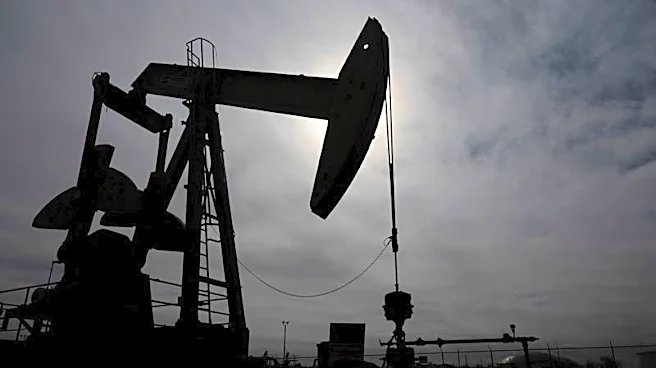
President Trump's proposed declaration of the Strait of Hormuz as US territory, if enacted, would represent a profound and potentially destabilizing shift in international maritime law and geopolitical dynamics in the Middle East. The Strait of Hormuz is a critical chokepoint through which a significant portion of the world's oil and gas supplies pass. Any unilateral change in its status could trigger widespread international condemnation, disrupt global energy markets, and have severe implications for international trade and regional stability. Furthermore, President Trump's criticism of US allies underscores existing tensions within international alliances regarding burden-sharing and strategic priorities, potentially straining diplomatic relations. The economic repercussions of the conflict, particularly rising gas prices, are a significant domestic concern that could influence public opinion and future policy decisions.
What's Next?
The immediate next step, as outlined by President Trump, is the conclusion of the conflict with Iran. Following this, the proposed declaration of the Strait of Hormuz as US territory would likely face substantial international legal and diplomatic challenges, as such a move would contravene established principles of international waters. Treasury Secretary Scott Bessent has also indicated that the US plans to announce "unprecedented" sanctions against Iran next week, suggesting further economic pressure. The ongoing war and its economic ramifications, including fluctuating gas prices, will continue to be a major factor in US domestic politics, especially with upcoming gubernatorial and congressional elections. International reactions to President Trump's statement will also be closely monitored.
Beyond the Headlines
The concept of unilaterally declaring an international waterway as US territory raises fundamental questions about national sovereignty, international law, and the principle of freedom of navigation. Such a move could establish a controversial precedent, potentially escalating tensions with other global powers that rely on the strait for trade and security. It reflects a broader 'America First' foreign policy approach, prioritizing perceived US national interests over multilateral cooperation and potentially reshaping existing alliances and global trade routes in the long term. The long-term implications could include increased militarization of key maritime passages, challenges to international legal frameworks, and a re-evaluation of global energy security strategies by various nations.