
What's Happening?
Japan has officially lifted its long-standing ban on the export of lethal weapons, marking a significant shift from its postwar pacifist policies. This decision, approved by Prime Minister Sanae Takaichi's
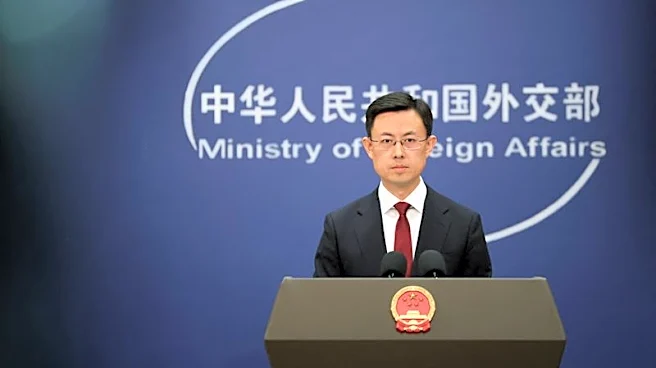
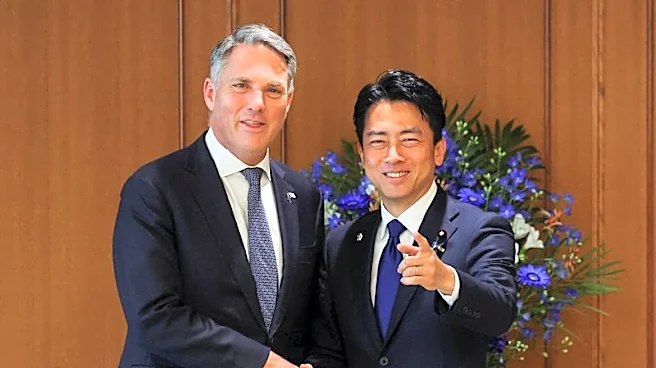
Cabinet, is intended to bolster Japan's arms industry and enhance defense cooperation with international partners. The new policy allows Japan to export advanced military equipment such as fighter jets, missiles, and destroyers, expanding beyond the previous limitations to non-lethal supplies. This change comes amid increasing regional security challenges, particularly from China, North Korea, and Russia. The policy has been met with criticism from China but is welcomed by defense partners like Australia. Japan's defense industry is now positioned as a strategic growth area, with increased interest from major companies and startups, especially in dual-use goods and drones.
Why It's Important?
The lifting of the ban on lethal weapons exports is a pivotal move for Japan, potentially transforming its defense industry and international defense relations. This policy shift could lead to increased economic opportunities for Japanese defense manufacturers and strengthen Japan's strategic alliances, particularly with countries like Australia and the United States. However, it also raises concerns about escalating regional tensions and the implications for Japan's pacifist constitution. The decision reflects Japan's response to a rapidly changing security environment and its desire to play a more proactive role in regional and global security. This move could also influence other countries' defense policies and contribute to a shift in the balance of military power in the Asia-Pacific region.
What's Next?
Japan's new policy will likely lead to increased defense collaborations and joint military projects with international partners. The country is expected to engage in more multinational military exercises and expand its defense exports to countries with which it has defense equipment and technology transfer agreements. The Japanese government will monitor the management of exported weapons to ensure compliance with international standards. As Japan continues to build its defense capabilities, it may face diplomatic challenges and domestic debates over the implications of its expanded military role. The policy's success will depend on Japan's ability to balance its defense ambitions with its constitutional commitments to peace.