







What's Happening?
China and Russia are quietly progressing towards a new Arctic axis through enhanced maritime cooperation, as detailed by Asia Times. This collaboration involves linking China’s Maritime Silk Road with Russia’s Trans-Arctic Transport Corridor, developing
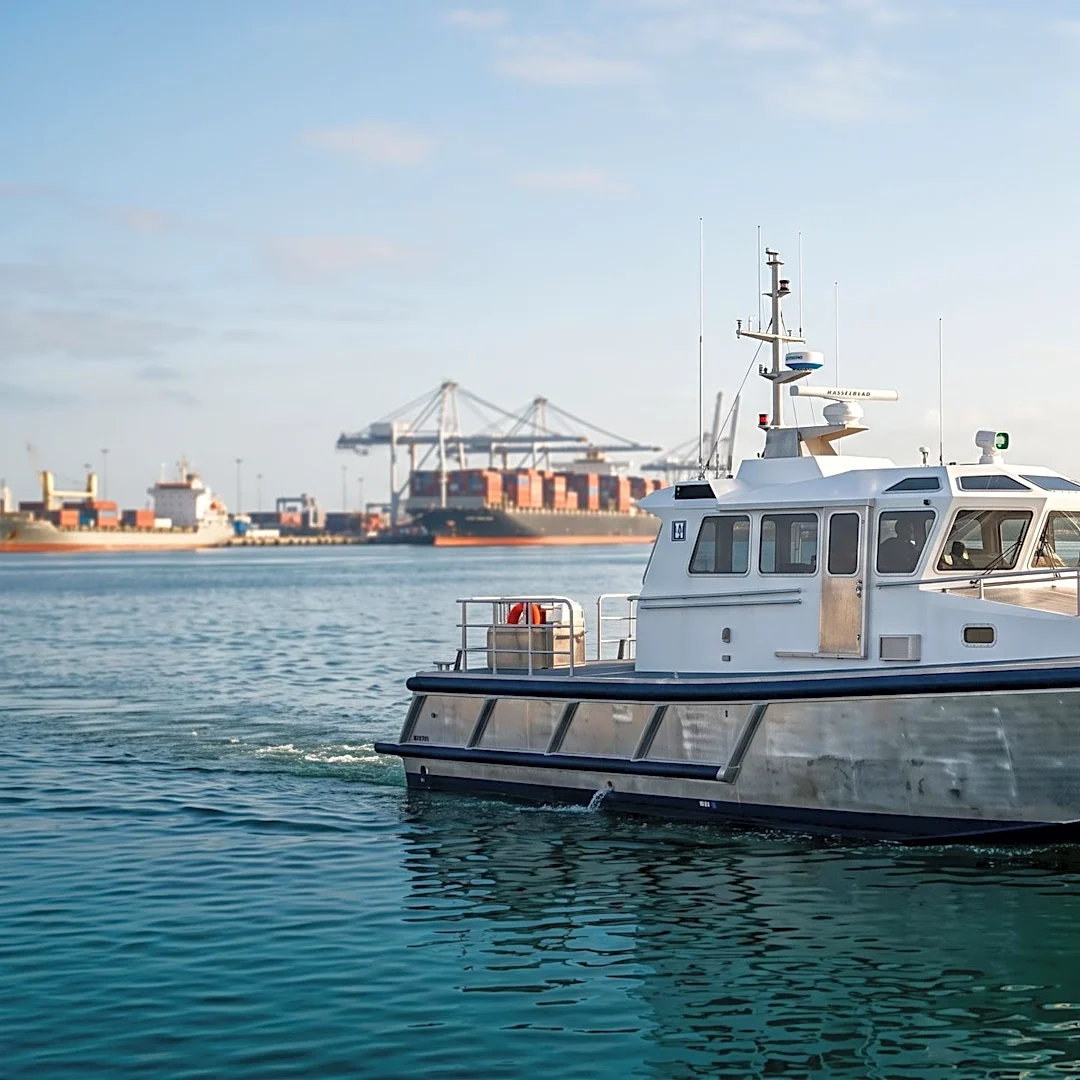
Russian ports, exchanging container-terminal automation technology, and conducting joint maritime research. Russian President Vladimir Putin’s advisor Nikolai Patrushev recently visited China to discuss these initiatives, which aim to build resilient maritime infrastructure. While these plans are largely unimplemented, they signify a strategic move to create an alternative shipping network through the Arctic. The economic rationale is strong, with China being Russia's largest trading partner and Russia supplying significant energy and raw materials to China. This maritime transport initiative is seen as a strategic extension of their relationship, with the Arctic offering a potentially valuable second network for global trade, reducing reliance on traditional chokepoints like the Suez Canal. The U.S. Coast Guard has already observed increased Chinese and Russian maritime activity in the Bering Sea, indicating growing strategic competition in the region.
Why It's Important?
This burgeoning Arctic axis between China and Russia holds significant implications for U.S. strategic interests and global trade dynamics. The development of an alternative shipping network through the Arctic could reduce China's vulnerability to disruptions in traditional maritime chokepoints, potentially altering global supply chains and trade routes. For the U.S., this collaboration represents an intensifying strategic competition in the Arctic, a region the U.S. already views as critical. A more integrated Sino-Russian maritime system could complicate the strategic picture for U.S. allies like Japan, which is already observing increased Chinese-Russian military activity around its territory. While not a direct military alliance, the joint development of ports, digital systems, shipbuilding, and logistics could provide both economic value in peacetime and strategic utility in a crisis, potentially challenging U.S. naval dominance and influence in key maritime areas. The initiative also reflects a broader global trend towards securing vulnerable supply chains, which could lead to a fragmentation of the global maritime system into competing networks with different standards and security arrangements.
What's Next?
The proposed initiatives, including linking China’s Maritime Silk Road with Russia’s Trans-Arctic Transport Corridor and developing Russian ports, are currently in the planning stages. The focus will be on the implementation of these plans, which involve significant investments in infrastructure, technology, and logistics. The U.S. and its allies are expected to closely monitor the progress of this Sino-Russian maritime cooperation, particularly any developments that could enhance their strategic resilience or military capabilities in the Arctic. Further observations of joint Chinese Coast Guard-Russian Border Guard patrols or increased research vessel activity in the U.S. Arctic will likely prompt responses from the U.S. government and military. The long-term implications include a potential shift in global trade routes and increased geopolitical competition in the Arctic, requiring continuous assessment and adaptation of U.S. foreign policy and defense strategies. The success of these projects will depend on overcoming commercial barriers, such as ice navigation, high insurance premiums, and the need for specialized vessels.
Beyond the Headlines
The deeper implications of the China-Russia Arctic axis extend beyond immediate economic and strategic concerns. This collaboration signifies a broader shift towards a multipolar international system, where traditional alliances are becoming less predictable and regional powers are seeking flexible partnerships. The emphasis on port automation, digital shipyards, research cooperation, and common technical standards highlights a new dimension of 21st-century maritime power, where control over software, data, equipment, and logistics architecture can shape trade without direct military confrontation. This could lead to a fragmentation of the global maritime system, with different networks operating under varying technological and security frameworks. The initiative also underscores the increasing securitization of supply chains, where economic efficiency and geopolitical security are becoming intertwined. The U.S. faces the challenge of understanding and responding to this evolving landscape, where commercial projects can have significant strategic utility, and the lines between economic and military influence are blurring.