



What's Happening?
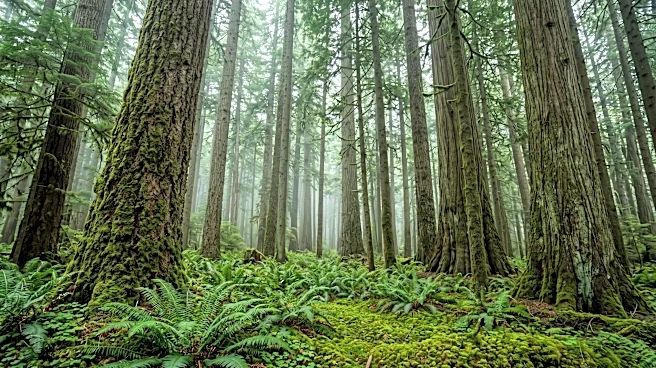
Washington Public Lands Commissioner Dave Upthegrove has revised his goal for protecting older state forests from timber harvest, reducing the target from 77,000 acres to 55,000 acres. This adjustment was attributed in part to mapping errors. While these
55,000 acres are currently exempt from logging until 2030, Commissioner Upthegrove is seeking legislative approval to grant the Department of Natural Resources (DNR) broader authority in generating revenue from state lands, aiming to prevent these acres from eventually being subjected to timber sales. He emphasized that the current forestry business model in Washington has been leading towards a financial crisis for over a decade. Upthegrove is proposing alternatives to logging for revenue generation, such as leasing lands and preparing a proposal for conservation easements to be presented to the Board of Natural Resources in the spring. He also highlighted the potential for the department to participate in regulatory carbon markets, citing Weyerhaeuser's success in generating significant revenue from such markets.
Why It's Important?
This development is significant for Washington State's land management and environmental policy. Commissioner Upthegrove's efforts to shift the DNR's revenue generation away from a sole reliance on logging could fundamentally alter how state forests are managed, prioritizing conservation alongside economic returns. The proposal to explore conservation easements and carbon markets represents a modern approach to land stewardship, potentially offering sustainable financial models that protect ecological values. The ongoing financial challenges faced by the DNR underscore the urgency of finding alternative revenue streams, as the current system has proven unsustainable. This initiative could set a precedent for other states grappling with similar issues, demonstrating how conservation can be integrated into economic planning. However, the reduction in protected acreage has drawn criticism from some conservationists, highlighting the tension between conservation goals and practical implementation.
What's Next?
The immediate next step involves Commissioner Upthegrove's push for the state Legislature to grant the DNR the necessary tools and authority to finance conservation and ecological management. The proposal for conservation easements will be presented to the Board of Natural Resources in the spring. The DNR is also actively evaluating state forest lands for potential carbon projects and estimating their revenue generation capacity, preparing to act once the legislative authority is secured. The timber industry, represented by groups like the American Forest Resource Council, will likely continue to monitor these developments closely, as changes to logging practices could impact their operations. The debate between conservationists and the timber industry over the balance of logging and protection is expected to continue, with legislative decisions playing a crucial role in shaping the future of Washington's state forests.
Beyond the Headlines
Beyond the immediate policy changes, Commissioner Upthegrove's initiative reflects a broader national and global trend towards re-evaluating the economic value of natural resources beyond traditional extraction. The exploration of carbon markets and conservation easements signifies a move towards recognizing the ecosystem services provided by forests, such as carbon sequestration and biodiversity preservation, as valuable assets. This shift could lead to a more holistic approach to land management, where ecological health is not just a cost but a source of revenue and long-term sustainability. The challenges faced by the DNR in Washington also highlight the systemic issues within public land management agencies that have historically relied on resource extraction for funding. The success or failure of Washington's efforts could provide valuable lessons for other states and federal agencies seeking to modernize their land management practices and align them with contemporary environmental goals.