





What's Happening?
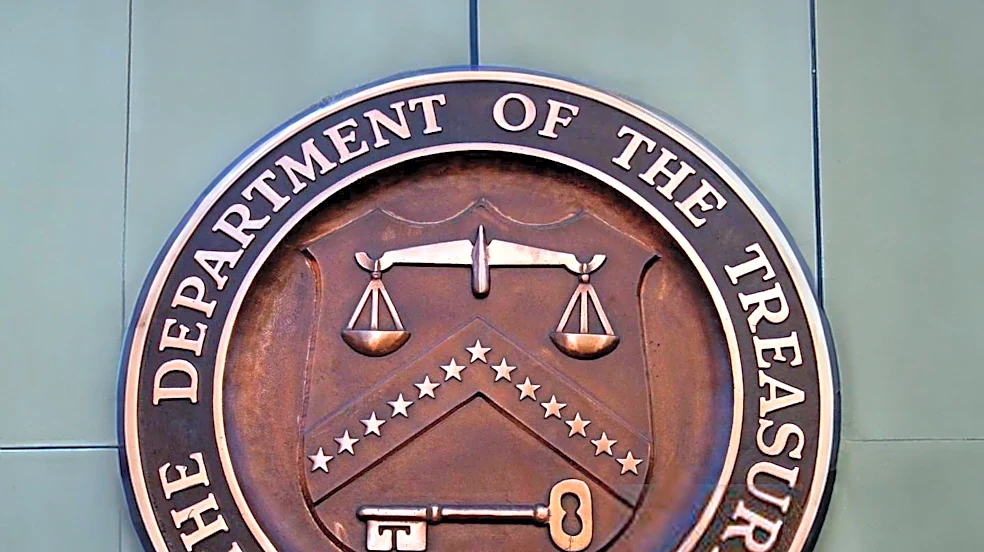
The U.S. Department of Transportation (DOT) is employing artificial intelligence (AI) to vet grant recipients for potential connections to adversarial nations. This initiative aims to prevent hostile foreign governments from accessing American research
and sensitive technologies. Neil Chaudhry, senior advisor for AI at Transportation, stated that the agency has developed robust AI tools to analyze principal investigators in research grants. These tools help identify direct links to entities such as the Chinese Communist Party leadership or Russian oligarchs. The screening process focuses on funding sources and organizational structures rather than nationality or ethnicity. This AI-driven approach is part of broader federal efforts to safeguard U.S. technological dominance and intellectual property, particularly in the context of competition with countries like China. While other agencies use automation for similar purposes, the DOT's specific application of AI for this type of grant screening appears to be relatively unique.
Why It's Important?
This development is significant for U.S. national security and economic competitiveness. By using AI to screen grant applicants, the Department of Transportation is enhancing its ability to protect federally funded research and intellectual property from foreign adversaries. The federal government has increasingly focused on limiting access for entities connected to countries like Iran, Russia, and China, especially concerning sensitive technologies. The potential loss of intellectual property developed with U.S. government funds poses a substantial risk, as highlighted by Chaudhry, who noted that a startup funded by a venture capital firm with ties to a Chinese industrial bank could lead to the loss of valuable IP if the startup fails. This proactive measure aims to close loopholes that could allow foreign actors to illicitly acquire American innovations, thereby preserving the integrity of U.S. research and development efforts and maintaining a competitive edge in critical technological sectors.
What's Next?
The Department of Transportation's continued use and refinement of AI in grant screening is expected to evolve. While the current AI use-case inventory does not explicitly include this research grant-focused capability, its implementation suggests a growing trend towards integrating advanced analytics into federal oversight processes. Other agencies may look to the DOT's model as a precedent for enhancing their own due diligence in grant programs. The Government Accountability Office (GAO) has previously noted that some agencies, such as the Air Force, National Science Foundation, and NASA, are already taking steps to automate due diligence and identify foreign risks in programs like the Small Business Innovation Research and Small Business Technology Transfer. This indicates a potential for wider adoption of AI-powered screening mechanisms across various federal departments to protect against foreign influence and intellectual property theft.
Beyond the Headlines
The deployment of AI for screening grant applicants raises deeper implications regarding the balance between national security and academic freedom, as well as the ethical considerations of AI in government. While the DOT emphasizes that screening is not based on nationality, the use of AI to identify 'adversarial ties' could lead to concerns about potential biases in algorithms or unintended consequences for international research collaborations. The complexity of global funding networks, where venture capital firms can have intricate international backing, makes it challenging to draw clear lines. This initiative underscores a broader shift in how the U.S. government is leveraging advanced technology to address geopolitical challenges, potentially setting a precedent for more extensive AI integration in federal decision-making processes, which will require ongoing scrutiny to ensure fairness, transparency, and effectiveness.