
What's Happening?
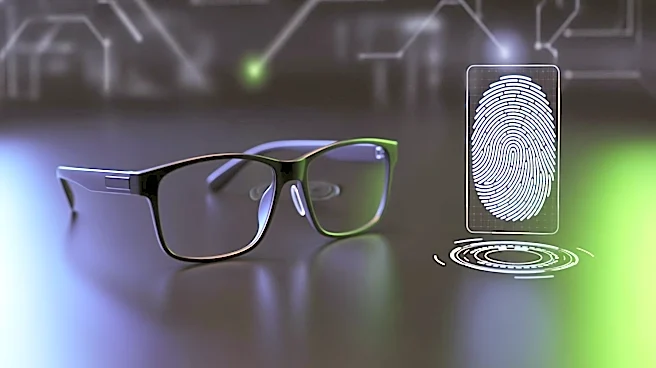
The U.S. Department of Homeland Security is considering a $7.5 million investment in smart glasses for immigration enforcement, capable of real-time biometric recognition. These devices, which resemble
regular eyewear, are equipped with cameras and AI, raising privacy concerns. The potential use by law enforcement to scan faces and gather data has sparked debate about privacy rights and the ethical implications of such technology. Companies like Meta are also expanding the capabilities of smart glasses, further blurring the lines between convenience and surveillance.
Why It's Important?
The deployment of smart glasses with biometric capabilities represents a significant shift in surveillance technology, with potential impacts on privacy and civil liberties. The ability to capture and analyze data in real-time could lead to increased monitoring of individuals in public spaces, raising concerns about consent and the potential for misuse. This development underscores the need for updated legal frameworks to address the rapid advancement of surveillance technology and protect individual privacy rights.
Beyond the Headlines
The introduction of smart glasses with biometric capabilities highlights the tension between technological innovation and privacy. While these devices offer benefits such as hands-free access to information, they also pose risks to personal privacy and data security. The lack of clear regulations and the potential for abuse by both government and private entities call for a reevaluation of privacy laws to ensure they keep pace with technological advancements.