









What's Happening?
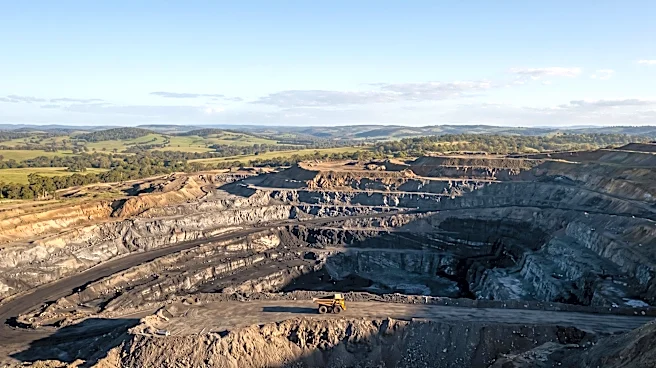
The Independent Planning Commission of New South Wales has approved the extension of mining operations at the Hunter Valley Operations (HVO) North and HVO South coal mines. This decision allows mining at the northern mine until the end of 2045 and at the southern
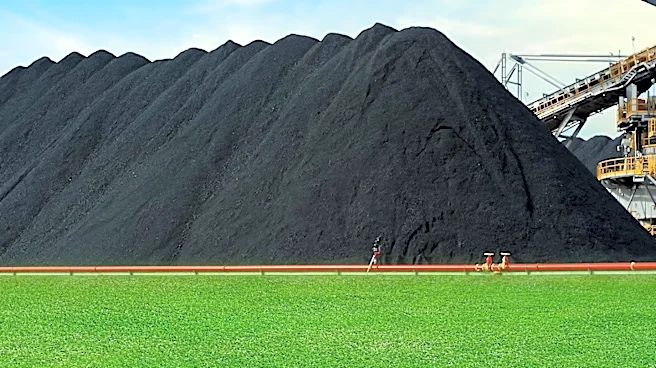
mine until the end of 2042. The HVO, a joint venture between Yancoal and Glencore, had previously withdrawn an application in 2024 for an extension until 2050, but has now secured approval for a slightly shorter timeframe. The newly approved plan is expected to extract approximately 429 million tonnes of coal, primarily for export. The commission acknowledged that the project's emissions would contribute to global climate change, estimating around 809 million tonnes of CO2 equivalent over its lifetime, mostly from burning exported coal. However, the commission concluded that the economic benefits, including securing approximately 1,500 jobs, local business support, and public revenue, outweigh the climate impacts. The approval comes with conditions requiring operators to develop plans to reduce emissions from mining operations, address emissions from exported coal, and limit exports to countries without emissions policies aligned with the Paris Agreement.
Why It's Important?
This decision highlights the ongoing tension between economic development and climate action in resource-rich regions. While the approval secures jobs and generates revenue, it also commits to nearly two more decades of significant coal extraction and export, contributing substantially to global carbon emissions. The requirement for operators to align export policies with the Paris Agreement goals introduces a complex layer of international climate responsibility, potentially influencing trade relationships and the global energy market. For the U.S., this decision could indirectly impact global coal prices and the competitiveness of its own energy exports, particularly if Australian coal continues to be a major player in the international market. Furthermore, it underscores the challenges faced by governments worldwide in balancing local economic needs with broader environmental commitments, a dilemma that resonates with energy policy debates within the U.S. The conditions placed on the approval could set a precedent for future mining projects, emphasizing the need for more stringent environmental considerations even when economic benefits are prioritized.
What's Next?
The project still requires environmental approval from the Australian federal government, which the operator anticipates by the end of the year. This federal review will be a critical next step, as it could either confirm the state's decision or impose further conditions or even reject the extension based on national environmental policies and international climate commitments. Climate groups, such as the Lock the Gate Alliance, have already voiced strong opposition, describing the approval as a "catastrophic failure" of the planning system. Their continued advocacy and potential legal challenges could further delay or alter the project's implementation. The conditions regarding emissions reduction and export limitations will necessitate detailed planning and reporting from Yancoal and Glencore, which could influence their operational strategies and investment decisions. The outcome of the federal approval process will be closely watched by both the mining industry and environmental organizations globally, as it will indicate Australia's commitment to its climate targets while supporting its resource sector.
Beyond the Headlines
The approval of the Hunter Valley coal mine extensions reflects a broader global struggle to transition away from fossil fuels while maintaining economic stability. The commission's acknowledgment of significant CO2 emissions alongside its decision to prioritize economic benefits highlights the ethical and practical complexities of climate policy. This situation could trigger deeper discussions about the true cost of economic development, including the long-term environmental and health impacts that are often externalized. The requirement for operators to consider the emissions policies of importing countries could also set a precedent for international trade, potentially leading to a more integrated approach to global emissions reduction where exporting nations bear some responsibility for the end-use emissions of their products. This could influence how other major coal-exporting nations, including the U.S., approach their own resource management and trade policies in the context of global climate agreements.