






What's Happening?
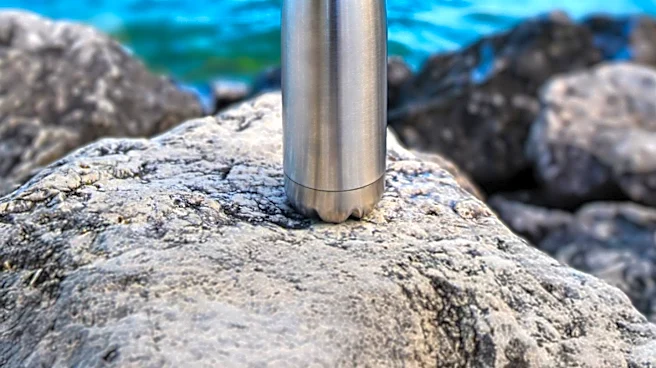
The School City of Hammond in Northwest Indiana has implemented an immediate ban on metal water bottles, including popular brands like Stanley and Yeti, across all 16 of its schools. This policy applies to students from elementary through high school.
School officials stated that these metal containers could potentially be used as weapons. While metal bottles are now prohibited, plastic drink containers may still be allowed, subject to specific rules set at the school and classroom level. The decision has sparked debate among parents and community members regarding student safety, hydration needs, and the practicality of the ban. The district's move aims to address potential safety risks within school environments.
Why It's Important?
This ban highlights a growing concern among school districts regarding student safety and the potential misuse of everyday items. The decision in Hammond, Indiana, reflects a broader challenge faced by educational institutions in balancing security measures with student well-being and convenience. For families, this means an immediate need to purchase new, compliant water bottles, potentially incurring unexpected costs. Furthermore, the ban raises questions about student hydration, especially in warmer weather, as plastic bottles typically do not offer the same insulation as their metal counterparts. The policy also touches upon environmental considerations, as many choose reusable metal bottles to reduce plastic waste, and this ban could inadvertently lead to an increase in disposable plastic bottle usage within the school system. The debate underscores the tension between ensuring a safe learning environment and maintaining practical, healthy routines for students.
What's Next?
Following the immediate implementation of the ban, schools within the School City of Hammond will need to enforce the new policy, which may involve checking students' belongings upon entry or during the school day. Parents and guardians will likely continue to voice their opinions, potentially leading to further discussions with school officials about alternative solutions or modifications to the ban. The district may need to clarify guidelines for acceptable plastic containers and address concerns about hydration, possibly by ensuring access to water fountains or other hydration options. Other school districts across the U.S. might observe the outcomes and reactions to Hammond's policy, potentially influencing their own safety protocols regarding student belongings. The long-term impact on student hydration habits and the use of reusable versus disposable bottles will also be a point of ongoing observation.
Beyond the Headlines
The ban on metal water bottles in Northwest Indiana schools delves into deeper societal discussions about safety, responsibility, and the evolving nature of threats in educational settings. It reflects a broader trend where common items are re-evaluated for their potential as weapons, leading to policies that can sometimes feel disproportionate to the perceived risk. This situation also highlights the ongoing challenge for schools to create secure environments without unduly restricting students' daily lives or imposing financial burdens on families. The debate extends to the ethical implications of such bans, particularly concerning student autonomy and the unintended consequences for environmental efforts. It underscores the complex balance between proactive safety measures and maintaining a normal, supportive learning atmosphere, prompting questions about whether such policies truly enhance safety or merely shift the focus from underlying issues.