
What's Happening?
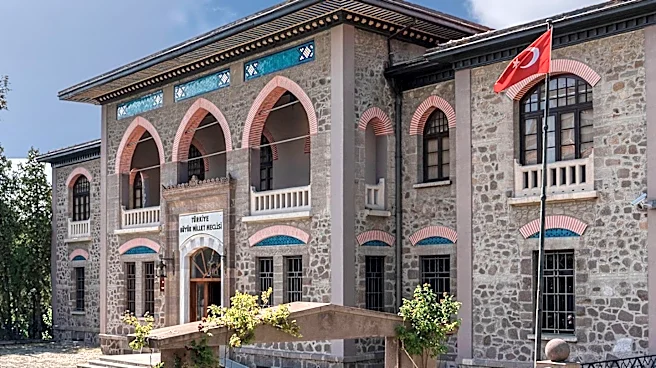
In 1922, Turkey provided significant humanitarian aid to Crimea, which was suffering from a severe famine. Researcher Elvira Kemal detailed how Turkey, despite its own struggles, sent flour shipments and books to the peninsula. The crisis in Crimea had
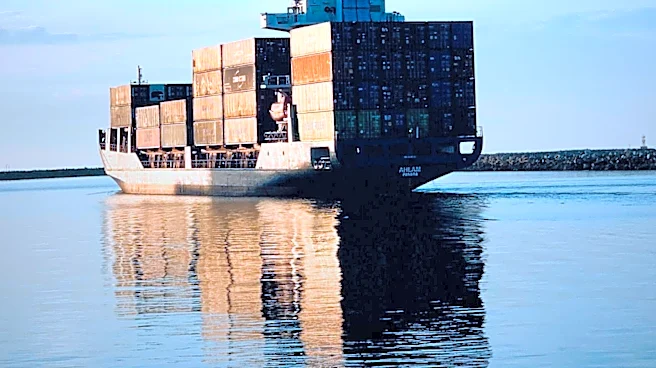
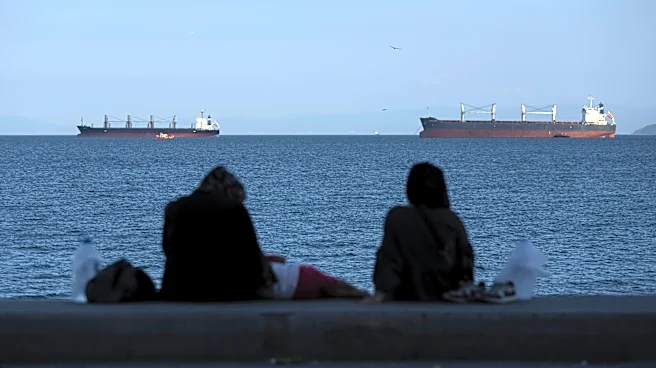
led to thousands of deaths by early 1922, prompting the Crimean Tatar government to send Asan Sabri Aivazov to Ankara to seek assistance. Before Aivazov's official appeal, the local Turkish-Crimean Tatar community and the Turkish Red Crescent had already initiated fundraising efforts. Aivazov's address to the Turkish government and press in Ankara led to the immediate establishment of a Central Committee for Aid to the Starving on the Peninsula, with donations flowing in from across Turkey. The first shipment of Turkish flour arrived in May 1922, personally escorted by Turkish representatives to assess local needs. A second, larger shipment, including books in Turkish, followed in the fall. Other international organizations, such as the American Relief Administration (ARA), the Vatican, the Joint Distribution Committee, the Nansen Mission, the Quakers, and the Mennonites, also contributed to the relief efforts, collectively saving hundreds of thousands of lives.
Why It's Important?
This historical event underscores the critical role of international humanitarian aid in mitigating large-scale crises, particularly when local governments are overwhelmed or unable to cope. The involvement of multiple international actors, including the American Relief Administration, highlights a precedent for global cooperation in disaster relief. The aid provided by Turkey and other nations was crucial, as the Soviet government at the time could only provide for a fraction of those in need. The famine resulted in a 15% loss of Crimea's population, emphasizing the devastating human cost when aid is insufficient or delayed. The story also illustrates the complex political landscape of the era, with figures like Asan Aivazov navigating treacherous diplomatic waters between the Crimean Tatar government, Turkey, and the Soviet regime. The tragic fate of Aivazov, who was later executed by the Soviet regime despite his humanitarian efforts, serves as a stark reminder of the personal risks involved in such endeavors during politically volatile times.
What's Next?
While this event is historical, its implications resonate in contemporary discussions about humanitarian aid and international relations. The historical precedent of Turkey's swift and substantial response to a regional crisis could inform future diplomatic and aid strategies. The challenges faced by aid workers and the political complexities surrounding humanitarian efforts in conflict zones remain relevant today. Understanding past successes and failures in aid delivery, particularly in politically sensitive regions, can help shape more effective and secure humanitarian interventions in the future. The story also highlights the enduring importance of independent aid organizations and international cooperation in addressing humanitarian crises, especially when state capacities are limited or compromised. Future research could further explore the long-term impacts of such aid on affected populations and the geopolitical dynamics of the region.
Beyond the Headlines
The narrative extends beyond mere aid delivery, touching upon themes of cultural preservation and political intrigue. The request for books in Turkish alongside food shipments reveals a deeper concern for cultural identity and education amidst a humanitarian catastrophe. This detail highlights that humanitarian aid often encompasses more than just basic necessities, extending to the cultural and intellectual well-being of affected communities. The personal drama of Asan Aivazov, caught between his humanitarian mission and the political machinations of the Soviet regime, illustrates the profound ethical dilemmas and personal sacrifices faced by individuals working in such environments. His eventual execution by the Soviet regime, despite his efforts to save lives, underscores the brutal realities of totalitarian control and the suppression of dissent. This historical account serves as a powerful reminder of the intertwined nature of humanitarian action, political power, and individual courage in times of extreme crisis.