





What's Happening?
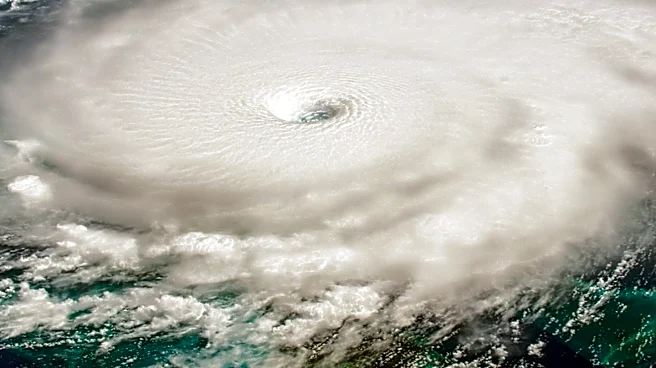
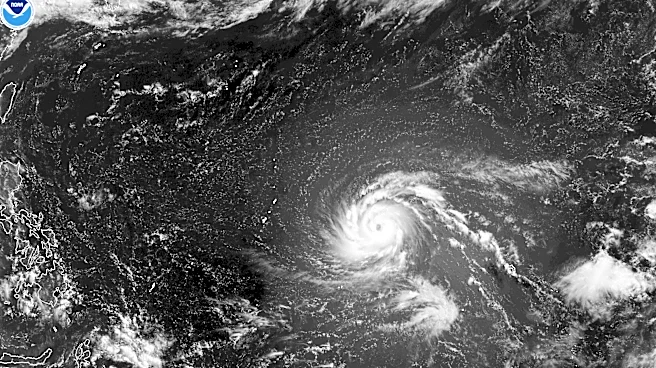
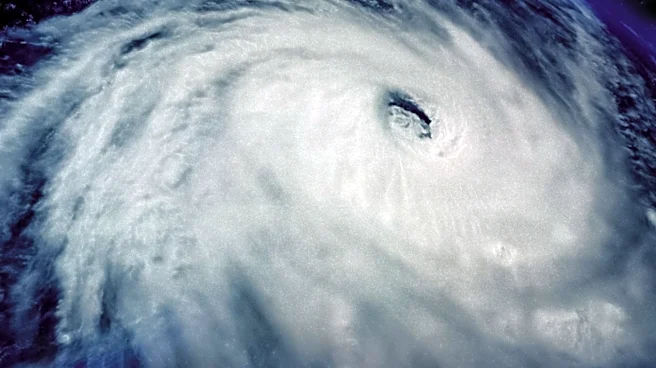
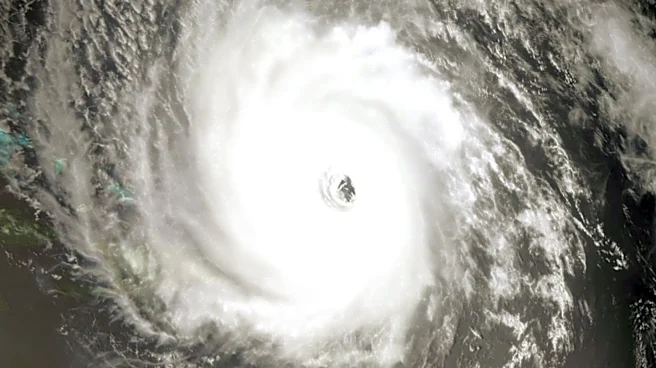
Residents of Guam and the Northern Mariana Islands are bracing for the impact of Super Typhoon Bavi, which is expected to bring severe damage to the region. The typhoon, rapidly intensifying, is forecast to pass through the area on Monday morning local
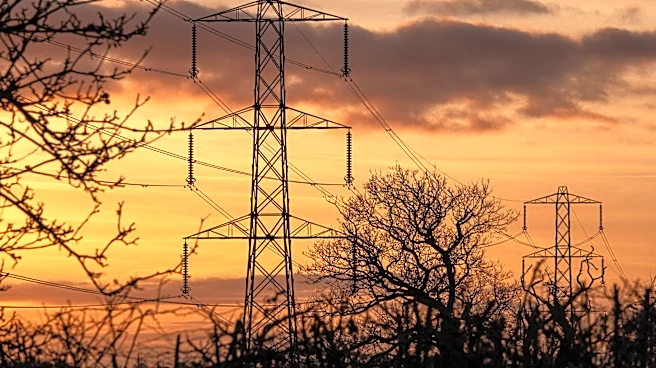
time, with winds potentially reaching 180 miles per hour. The National Weather Service has issued typhoon warnings for Guam, Rota, Tinian, and Saipan. Local governments have opened emergency shelters, which are nearing capacity, as residents prepare for the storm. The typhoon is expected to cause structural damage, fallen trees, and power outages. This is the second super typhoon to hit the region in 2026, following Typhoon Sinlaku in April.
Why It's Important?
The arrival of Super Typhoon Bavi poses a significant threat to the U.S. territories of Guam and the Northern Mariana Islands, potentially leading to widespread destruction and disruption. The storm's impact could exacerbate the challenges faced by residents still recovering from Typhoon Sinlaku. The potential for catastrophic damage highlights the vulnerability of these islands to extreme weather events, raising concerns about infrastructure resilience and emergency preparedness. The economic and social implications are profound, as power outages and structural damage could disrupt daily life and essential services, affecting thousands of residents.
What's Next?
As Super Typhoon Bavi approaches, local authorities are urging residents to stay indoors and avoid travel. Emergency shelters are being utilized to capacity, and there is a focus on ensuring the safety of those in vulnerable housing. The aftermath of the storm will likely involve significant recovery efforts, including restoring power and repairing infrastructure. The response from local and federal agencies will be crucial in addressing the immediate needs of affected communities and planning for long-term recovery.