






What's Happening?
Suranjith Wevita has been appointed as the new Chairman of the Sri Lanka Tourism Development Authority (SLTDA) by Minister of Foreign Affairs, Foreign Employment and Tourism Vijitha Herath. This appointment signifies a restructuring of administrative
powers within Sri Lanka's tourism sector, as it effectively ends the dual-chairmanship strategy previously held by Buddhika Hewawasam, who will continue as Chairman of the Sri Lanka Tourism Promotion Bureau (SLTPB). The decision to split these roles was made to address internal pressures from provincial service providers who have been advocating for greater representation and a more equitable distribution of tourism resources, arguing that national policies disproportionately favor Colombo-based corporate entities. Wevita, who comes from a grassroots service sector background and has experience in both banking and tourism, is expected to introduce reforms aimed at decentralizing investments under the SLTDA, focusing on updated recovery frameworks and regional land release programs.
Why It's Important?
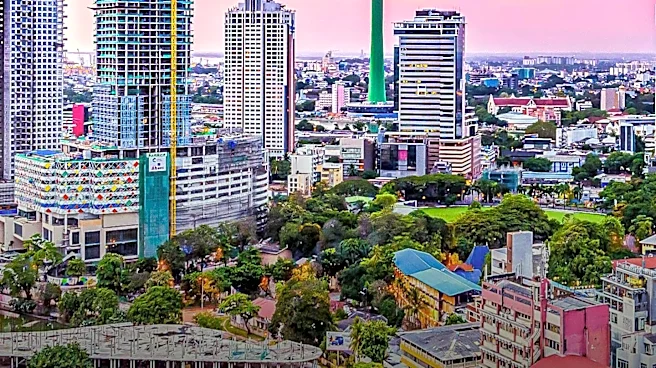
While this development is specific to Sri Lanka, it reflects a common challenge faced by many nations, including those with significant tourism sectors that attract U.S. travelers and investors: balancing centralized national tourism promotion with the needs and development of regional stakeholders. For U.S. tourism businesses, investors, and travelers considering Sri Lanka, this shift could lead to new opportunities in previously underserved regions, potentially diversifying the types of tourism experiences available. A more decentralized approach could foster sustainable tourism development, empower local communities, and create a more resilient tourism industry less reliant on a few major hubs. Conversely, it could also introduce complexities in navigating regional regulations and investment landscapes. The success of this decentralization effort will be closely watched as it could serve as a model or cautionary tale for other countries grappling with similar regional disparities in economic development.
What's Next?
Suranjith Wevita is expected to implement fair-measure reforms to decentralize tourism investments under the SLTDA. This will likely involve developing new policies and programs that allocate resources more equitably across Sri Lanka's provinces, moving away from a heavily Colombo-centric approach. These reforms are anticipated to include updated recovery frameworks for the tourism sector and regional land release programs, which could open up new areas for tourism development and investment. Stakeholders, including provincial service providers, will be closely monitoring these initiatives to ensure their concerns are addressed. The SLTPB, under Buddhika Hewawasam, will continue its focus on global marketing, while the SLTDA will concentrate on domestic infrastructure and regulation, with a new emphasis on regional development. The effectiveness of this split leadership and decentralized strategy will be crucial for the future growth and inclusivity of Sri Lanka's tourism industry.
Beyond the Headlines
The appointment of Suranjith Wevita and the subsequent decentralization strategy highlight a deeper societal and economic tension within Sri Lanka: the struggle between centralized power and regional autonomy. This move could be seen as an attempt to address long-standing grievances from provincial communities who feel marginalized in national development plans. If successful, it could lead to more inclusive economic growth, reduce regional disparities, and strengthen national unity by giving more voice and resources to local stakeholders. However, the challenge lies in effectively implementing these reforms without fragmenting national tourism efforts or creating new bureaucratic hurdles. The ethical dimension involves ensuring that the decentralization genuinely benefits local communities and promotes sustainable practices, rather than merely shifting power dynamics. This strategic shift could set a precedent for how other sectors in Sri Lanka, and potentially other developing nations, approach regional development and resource allocation.