


What's Happening?
U.S. communities are experiencing a range of everyday impacts due to climate change, extending beyond dramatic disasters. According to sources including the U.S. Environmental Protection Agency (EPA) and the National Oceanic and Atmospheric Administration
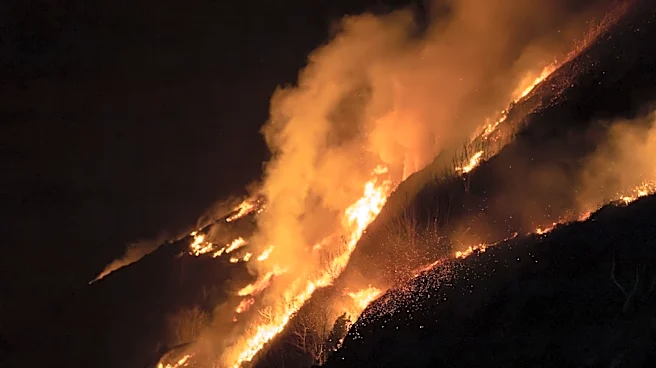
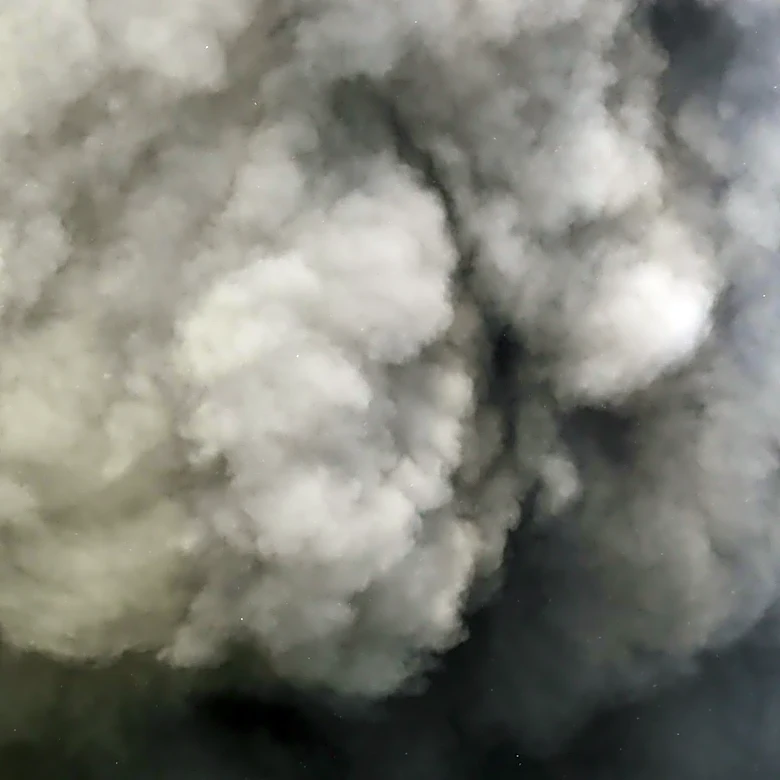
(NOAA), these effects include warmer nights, which reduce the body's ability to recover from heat stress and increase energy demands for cooling. Mosquito seasons are lengthening and expanding their ranges, particularly in areas like Georgia, due to warmer temperatures. Coastal drinking water supplies are threatened by saltwater intrusion as sea levels rise. Allergy seasons are starting earlier and becoming more intense due to increased pollen production. Flash flooding is occurring in unexpected locations, overwhelming infrastructure, and air quality is deteriorating due from wildfire smoke traveling long distances. The growing season for farmers and gardeners is shifting, and heat is increasingly becoming a public health issue, leading to more frequent heat advisories and cooling centers. Furthermore, homeowners are facing rising insurance costs as insurers adjust to growing climate risks.
Why It's Important?
These widespread and varied impacts highlight the pervasive nature of climate change on daily life across the U.S. The increase in warmer nights and extended mosquito seasons directly affects public health, potentially leading to higher rates of heat-related illnesses and vector-borne diseases. The threat to coastal drinking water and shifting growing seasons has significant implications for food security and resource management, impacting agricultural industries and local economies. Deteriorating air quality from wildfires poses a serious health risk, particularly for vulnerable populations, and can disrupt daily activities like school and sports. The rising insurance costs reflect a tangible economic burden on homeowners and businesses, signaling a broader financial instability linked to climate risks. This necessitates a re-evaluation of urban planning, public health infrastructure, and economic policies to adapt to these new realities.
What's Next?
Communities across the U.S. will likely need to implement more comprehensive adaptation strategies to mitigate these ongoing climate impacts. This could include investments in resilient infrastructure to manage flash flooding, improved public health initiatives to address heat-related illnesses and vector control, and advanced monitoring systems for air quality. Farmers and agricultural sectors may need to adjust planting schedules and crop selections to cope with changing growing seasons. Coastal regions will face increasing pressure to develop solutions for saltwater intrusion into freshwater sources. Insurers are expected to continue adjusting premiums and developing new products, such as parametric insurance, to cover climate-related risks, which could further influence housing markets and economic planning. Policy discussions will likely focus on funding these adaptation efforts and integrating climate resilience into long-term development plans.
Beyond the Headlines
The subtle yet pervasive nature of these climate change indicators suggests a fundamental shift in the environmental baseline that many Americans have historically taken for granted. Beyond the immediate economic and health consequences, there are deeper societal implications. The erosion of predictable seasonal patterns, for instance, can impact cultural traditions, recreational activities, and the overall quality of life. The increasing need for cooling centers and the disruption of outdoor activities due to heat or poor air quality could exacerbate social inequalities, disproportionately affecting low-income communities and those with limited access to resources. The rising insurance costs also raise questions about equitable access to housing and the long-term financial viability of certain regions. These changes collectively challenge the traditional understanding of 'normal' and necessitate a profound reorientation of societal norms and governmental responsibilities.