

What's Happening?
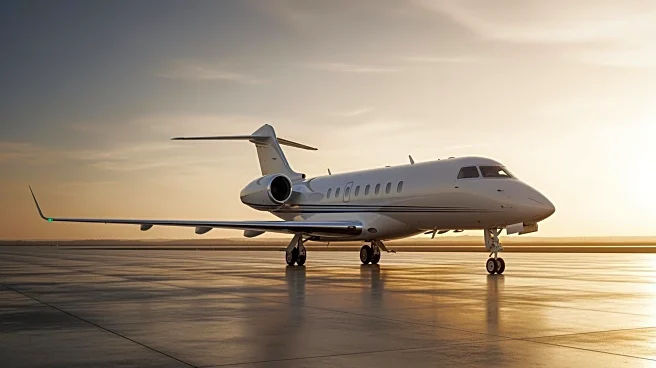
As the 2026 election cycle approaches, political candidates are increasingly turning to private jet services to manage their campaign travel across the United States. Companies like Advanced Aviation Team, led by Gregg Brunson-Pitts, specialize in organizing
these complex travel logistics. The firm arranges flights for high-profile political figures, ensuring they can efficiently reach multiple campaign stops. This service is crucial for candidates who need to maintain a rigorous schedule, often involving multiple states in a single day. The use of private jets allows for flexibility, security, and speed, which are not always possible with commercial flights. The cost of such travel can be significant, with campaigns spending millions on charter flights, which include expenses for crews, aircraft rental, and security arrangements.
Why It's Important?
The reliance on private jets for campaign travel highlights the financial demands of modern political campaigns. Well-funded candidates can leverage these resources to maximize their visibility and reach more voters, potentially influencing election outcomes. This trend underscores the importance of campaign financing, as candidates with greater financial backing can afford the logistical advantages that private air travel provides. The ability to quickly and securely move across battleground states can be a decisive factor in tightly contested races. Additionally, the use of private jets raises questions about the environmental impact and public perception, as some voters may view such expenditures as extravagant.
What's Next?
As the election season intensifies, demand for private jet services is expected to increase. Political campaigns will likely continue to secure these travel arrangements well in advance to ensure availability and manage costs. The logistics of campaign travel will remain a critical component of election strategies, with firms like Advanced Aviation Team playing a pivotal role in facilitating candidate mobility. The focus will be on optimizing travel schedules to maximize voter engagement while balancing the financial and environmental implications of such travel.