







What's Happening?
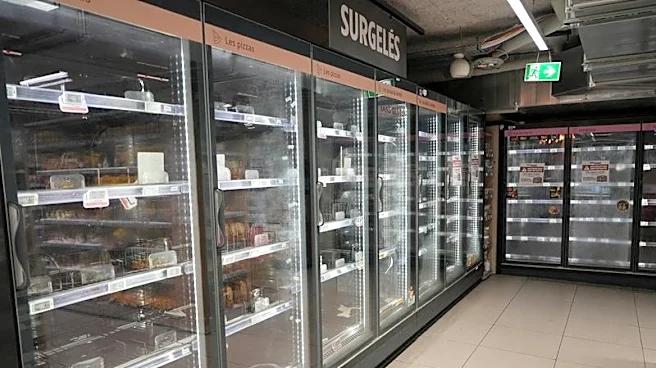
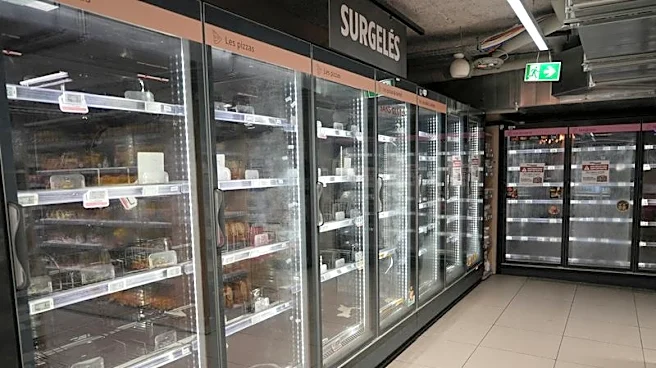
France has officially attributed recent cyberattacks targeting supermarket refrigeration controllers across 700 major retail sites in the country to an Iranian group identified as Shahid Kaveh. French authorities indicate that Shahid Kaveh was the perpetrator
and that the attacks were orchestrated by higher-level Iranian hierarchical structures, based on indicators of compromise discovered during investigations. This attribution marks an exceptional move by France. Shahid Kaveh is known among cybersecurity specialists for its history of targeting critical infrastructure, including water and industrial systems. The attacks involved a modus operandi that saw initial claims of responsibility by Russian groups, followed by a second wave of attacks using similar methods that have not yet been officially attributed. Concurrently, a video surfaced online via Iranian media outlets featuring a masked man, later identified as Ibrahim Zolfaghari, an officer in the Iranian army and spokesperson for the Khatam al-Anbiya Central Headquarters, threatening Europe with reprisals and calling for an uprising against American actions in Iran.
Why It's Important?
This attribution by France is significant as it directly links a state-sponsored entity to cyberattacks on civilian critical infrastructure within a European nation. Such actions escalate the nature of cyber warfare, moving beyond traditional espionage or data theft to direct disruption of essential services. The targeting of supermarket refrigeration systems, while not immediately life-threatening, can cause significant economic damage, supply chain disruptions, and public alarm. The involvement of an Iranian military official in issuing threats further underscores the state-level backing of these activities. This incident raises concerns about the potential for broader destabilization efforts in Europe, especially in the context of the 'CRINK axis' (China – Russia – Iran – North Korea), and whether these nations are cooperating to achieve such goals or operating independently. For the U.S. and its allies, this highlights the evolving threat landscape and the need for enhanced cybersecurity defenses and international cooperation to counter state-sponsored cyber aggression.
What's Next?
The direct attribution of these cyberattacks to Iran by France could lead to diplomatic repercussions, potential sanctions, or increased cybersecurity collaboration among European nations and their allies, including the U.S. It is likely that intelligence agencies will intensify their monitoring of Iranian cyber activities and those of other nations suspected of engaging in similar destabilizing operations. The question of whether the CRINK axis members are coordinating their efforts to destabilize Europe will remain a key area of investigation for intelligence communities. Retail and critical infrastructure sectors in Europe and potentially the U.S. may implement stricter cybersecurity protocols and invest in more resilient systems to prevent future attacks. The public identification of Ibrahim Zolfaghari and his threats could also lead to increased scrutiny of Iranian military and intelligence operations globally.
Beyond the Headlines
The cyberattacks on supermarket refrigeration systems represent a new frontier in hybrid warfare, where non-kinetic means are used to achieve strategic objectives by disrupting daily life and economic stability. This type of attack, while not as immediately destructive as physical warfare, can erode public trust in infrastructure and governance, creating societal unrest. The initial false flag claims by Russian groups, followed by Iranian involvement, suggest a complex and potentially coordinated disinformation and cyber warfare strategy aimed at sowing confusion and maximizing impact. This incident also highlights the vulnerability of interconnected systems in modern society, where even seemingly innocuous components like refrigeration controllers can become targets with far-reaching consequences. The broader implication is a shift towards a more pervasive and insidious form of conflict that operates below the threshold of traditional warfare, making attribution and response increasingly challenging for democratic nations.