









What's Happening?
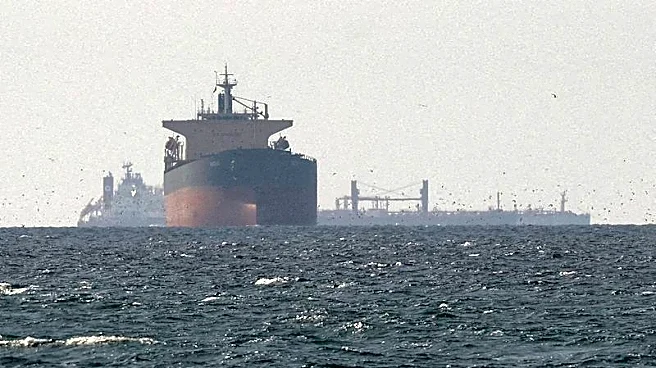
The U.S. dollar has hit a 10-day low following a peace agreement between the United States and Iran, which aims to end their ongoing conflict and reopen the Strait of Hormuz. This development has led to a decrease in oil prices, with Brent crude futures
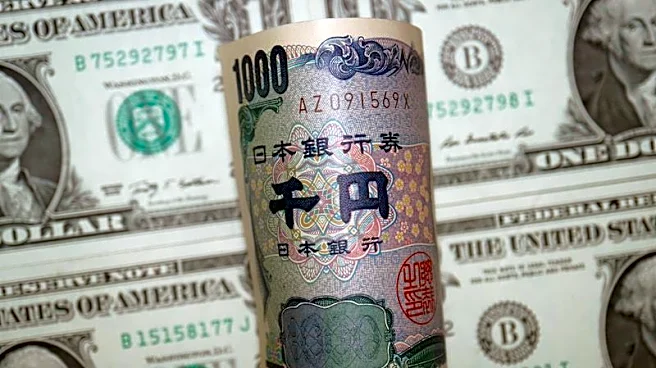
dropping over 4% to $83.82. The dollar index, which measures the greenback against a basket of currencies, fell by 0.31% to 99.492, marking its weakest level since June 5. The Japanese yen also weakened, reaching 160.150, a level that may prompt official intervention. The Bank of Japan is expected to raise interest rates to a 31-year high, aligning with other central banks like the European Central Bank, which recently increased rates.
Why It's Important?
The weakening of the U.S. dollar and the peace deal with Iran have significant implications for global markets and geopolitical stability. A weaker dollar can affect U.S. exports by making them more competitive abroad, potentially boosting the U.S. economy. However, it also raises concerns about inflation and the purchasing power of the dollar. The peace agreement with Iran could stabilize oil markets by ensuring the free flow of oil through the Strait of Hormuz, a critical chokepoint for global oil supply. This could lead to lower energy prices, benefiting consumers and businesses worldwide. However, President Trump's warning of potential military action if a final nuclear accord is not reached adds uncertainty to the situation.
What's Next?
The next steps involve monitoring the implementation of the U.S.-Iran peace agreement and its impact on global oil markets. The Bank of Japan's upcoming decision on interest rates will also be closely watched, as it could influence global monetary policy trends. Additionally, stakeholders will be attentive to any further statements or actions from President Trump regarding Iran, as these could affect geopolitical stability and economic conditions.