





What's Happening?
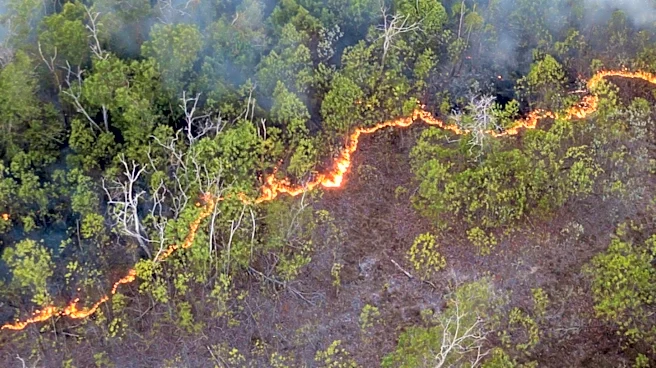
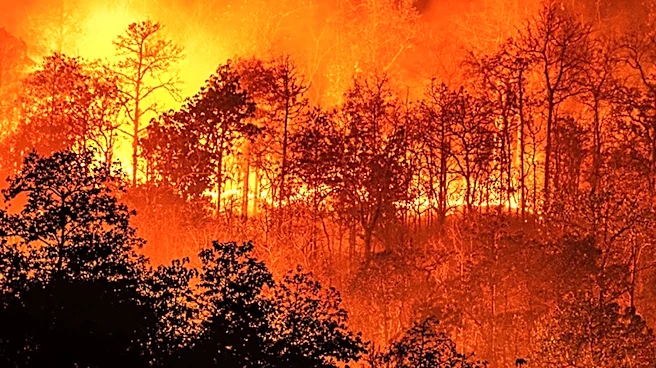
A new study by World Weather Attribution reveals that a strong El Niño, amplified by human-induced warming, significantly intensified severe and widespread fire weather across Indonesia's peatlands and forests between August and October 2026. This combination
fueled a fire season that has resulted in over a million acres burned in Kalimantan and Sumatra, generating toxic smoke that has exposed millions across Southeast Asia to poor air quality. Scientists from Indonesia, the Netherlands, Sweden, the UK, and the US found that El Niño was the primary cause of the severe lack of rainfall, while climate change was the main driver behind high seasonal temperatures. Additionally, extensive land-use changes in Indonesia, including deforestation and peatland drainage, have increased the susceptibility of landscapes to fire during prolonged hot, dry conditions. The Indonesian Health Ministry reported over 400,000 respiratory infections linked to the fires, including approximately 180,000 children under nine, with smog also impacting Malaysia, the Philippines, and Singapore.
Why It's Important?
The confluence of El Niño and climate change in Indonesia highlights a critical global environmental and public health crisis. The widespread fires and resulting toxic haze underscore the severe consequences of climate change and unsustainable land-use practices, impacting not only local populations but also neighboring countries through transboundary air pollution. The health implications, particularly the surge in respiratory illnesses among vulnerable populations like children, demonstrate the immediate human cost. Economically, the destruction of vast tracts of land and the disruption to daily life can have long-term impacts on local economies and livelihoods. The study also emphasizes the interconnectedness of global climate phenomena and local environmental management, serving as a stark warning about the escalating risks of extreme weather events and their societal repercussions.
What's Next?
The findings suggest an urgent need for both global emissions reductions and sustained forest and peatland protection efforts to mitigate future risks. Pramudhian Firdaus, a meteorologist with Melbourne University and the Indonesian Agency for Meteorology, Climatology and Geophysics, stressed the importance of these measures. The Indonesian Red Cross (PMI) has been actively involved in delivering emergency water relief due to prolonged rainfall deficits, which have caused wells, springs, and small reservoirs to decline or dry up. A grant of nearly 500,000 Swiss francs from IFRC-DREF has supported the PMI in expanding its drought operations to reach up to 200,000 people, with WASH specialists also deployed to strengthen planning and water quality. Continued international support and local initiatives will be crucial in addressing the immediate humanitarian crisis and implementing long-term solutions to prevent similar events.
Beyond the Headlines
The situation in Indonesia reveals deeper implications regarding environmental justice and the disproportionate impact of climate change on vulnerable communities. The extensive land-use changes, including deforestation and peatland drainage, often driven by economic development, create a feedback loop where environmental degradation exacerbates climate-related disasters. The slow-burning, highly polluting nature of peat fires, as noted by the NASA Earth Observatory, signifies a complex environmental challenge that is difficult to extinguish and has long-lasting ecological consequences. The toxic haze and respiratory illnesses also raise ethical questions about the responsibility of industries and governments in protecting public health and ensuring sustainable development. This event underscores the need for a holistic approach that integrates climate action, environmental conservation, and public health strategies to build resilience against future climate shocks.