






What's Happening?
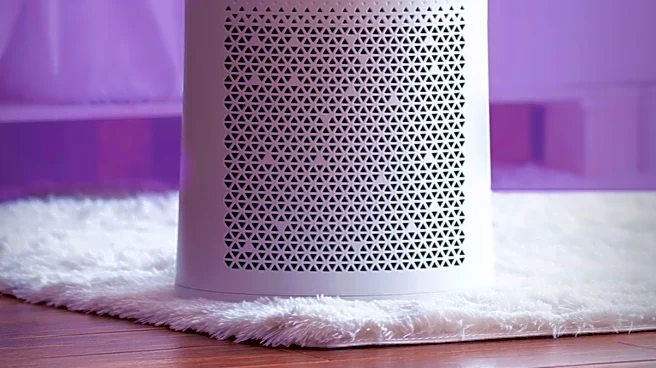
A recent study conducted in the United Kingdom has revealed that portable air purifiers do not effectively prevent respiratory infections among nursing home residents. The study, published in JAMA Internal Medicine, involved over 1,100 older adults across
95 nursing homes, with half using air purifiers equipped with HEPA filters. The findings showed no significant reduction in respiratory infections, antibiotic use, or staff absenteeism in facilities using the purifiers. Researchers noted that the purifiers were often not used consistently, and when they were, they were set to low settings to minimize noise, which may have reduced their effectiveness. The study highlights the need for nursing homes to continue following national prevention measures to control infections.
Why It's Important?
The study's findings are significant as they challenge the perceived effectiveness of air purifiers in reducing infection risks in vulnerable populations, such as nursing home residents. During the COVID-19 pandemic, air purifiers gained popularity as a tool to mitigate virus spread. However, this study suggests that without proper usage and adherence to recommended settings, their impact may be negligible. This has implications for public health strategies and resource allocation in long-term care facilities, emphasizing the importance of comprehensive infection control measures beyond technological solutions.
What's Next?
The study suggests that nursing homes should focus on adhering to established infection prevention protocols rather than relying solely on air purifiers. Future research may explore optimizing air purifier usage or developing new technologies to enhance infection control in such settings. Additionally, policymakers and healthcare providers may need to reassess guidelines and recommendations for infection prevention in nursing homes, considering the study's findings.