






What's Happening?
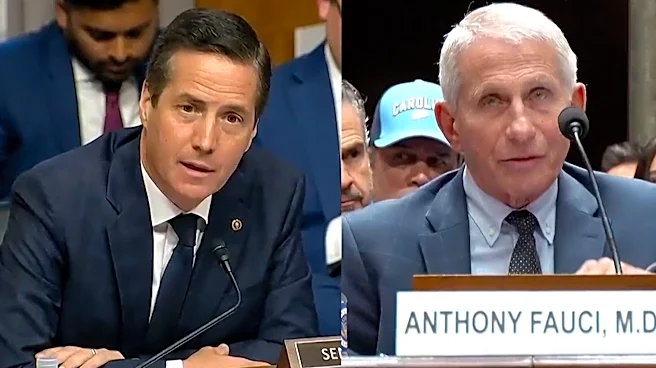
Dr. Anthony Fauci invoked the Fifth Amendment during a Senate hearing led by Republican Senator Rand Paul, focusing on Fauci's handling of the COVID-19 pandemic. The hearing, held on July 29, 2026, saw Fauci decline to answer questions, citing his constitutional
right against self-incrimination. This move has led to a planned contempt vote by the committee, which could result in a referral to the Justice Department. The controversy centers on whether Fauci's presidential pardon from President Joe Biden negates his Fifth Amendment protections, a point contested by legal experts who argue that potential state prosecutions justify his invocation of the Fifth.
Why It's Important?
The situation raises significant questions about the limits of congressional power to compel testimony from pardoned individuals and the broader implications for executive privilege and accountability. The outcome of this case could set a precedent for future congressional inquiries involving pardoned officials. It also highlights the ongoing political tensions and scrutiny surrounding Fauci's role during the pandemic, reflecting the polarized views on public health leadership and government transparency.
What's Next?
The Senate committee, led by Paul, is moving to fast-track the contempt referral to the Justice Department, bypassing a full Senate vote. The Justice Department's response to the referral remains uncertain, but the case could influence future legislative and executive interactions. Legal debates over the validity of Biden's pardons and the scope of Fifth Amendment protections are likely to continue, potentially impacting other officials who may face similar situations.