






What's Happening?
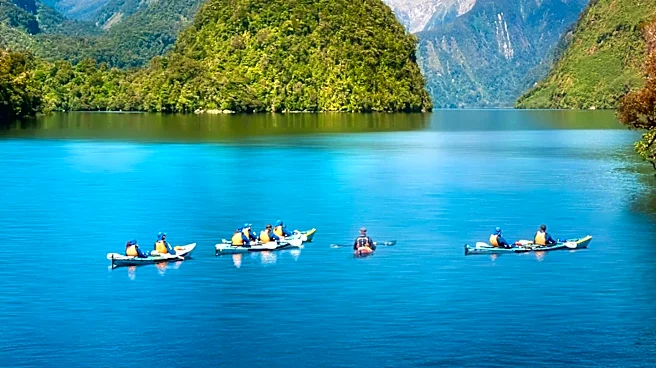
Travelers planning U.S. road trips that include kayaking are being advised to carefully plan their paddling stops, considering factors such as water conditions, permits, and safety regulations. According to a recent guide, key considerations include choosing
calm, sheltered waters like small lakes or protected lagoons, especially after long drives. Each state and often individual parks have specific rules regarding kayak registration and launch permits. For instance, Florida does not require registration for non-motorized kayaks, while Pennsylvania mandates either a boat registration or a launch permit for state access points. National parks, such as Grand Teton, require park boat permits and often aquatic invasive species decals, with inspections common in western states to prevent the spread of invasive species like zebra and quagga mussels. The guide also highlights the importance of checking weather forecasts, particularly wind conditions, which can rapidly change plans on larger bodies of water.
Why It's Important?
This guidance is crucial for U.S. road trippers and outdoor enthusiasts as it directly impacts their ability to legally and safely enjoy kayaking in various national parks and state waters. Non-compliance with state-specific registration and permit requirements can lead to fines or denial of access, disrupting travel plans. The emphasis on aquatic invasive species inspections, particularly in western states, is vital for protecting delicate ecosystems across the country. By adhering to 'clean, drain, and dry' practices, kayakers play a significant role in preventing environmental damage. Furthermore, the safety recommendations, including wearing U.S. Coast Guard-approved life jackets and dressing for cold water conditions, are essential for reducing the risk of accidents and fatalities, especially given that many boating drownings occur in seemingly fine weather. This information helps ensure a responsible and enjoyable outdoor experience while preserving natural resources.
What's Next?
As more Americans seek outdoor recreational activities, awareness and adherence to these guidelines will become increasingly important. Travelers should proactively research the specific regulations for each state and park they plan to visit well in advance of their trip. This includes checking online resources for permit purchases and reservation requirements, as some parks, like Florida State Parks, require day-use reservations up to 60 days ahead. Kayakers should also be prepared for potential on-site inspections, particularly when entering western states or national parks. The ongoing efforts to educate the public on invasive species prevention and water safety will likely continue, with parks and state agencies reinforcing these rules through signage and ranger interactions. Travelers can expect to see continued emphasis on responsible recreation to balance public access with environmental protection.
Beyond the Headlines
The detailed planning required for kayaking on U.S. road trips reflects a broader trend towards increased regulation and environmental consciousness in outdoor recreation. The varying state and park-specific rules highlight the fragmented nature of environmental governance in the U.S., where local conditions and priorities often dictate policy. This complexity can pose challenges for interstate travelers but underscores the importance of localized conservation efforts. The focus on invasive species prevention also points to the long-term ecological and economic threats posed by non-native species, which can devastate native ecosystems and impact industries like fishing and tourism. Moreover, the emphasis on safety, particularly regarding cold water shock, reveals a deeper understanding of the physiological risks associated with water sports, moving beyond basic swimming ability to encompass environmental factors. This comprehensive approach to planning and safety is indicative of a maturing outdoor recreation culture that prioritizes both enjoyment and stewardship.