

What's Happening?
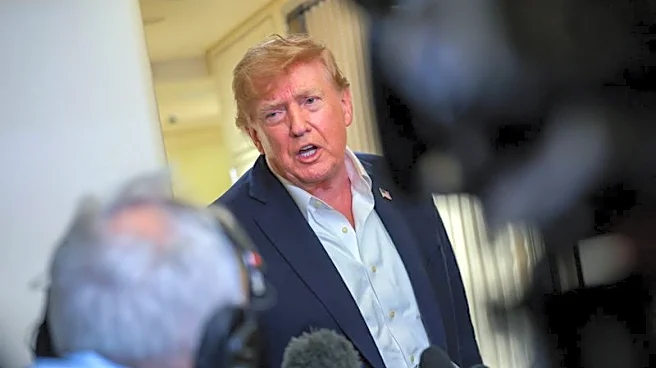
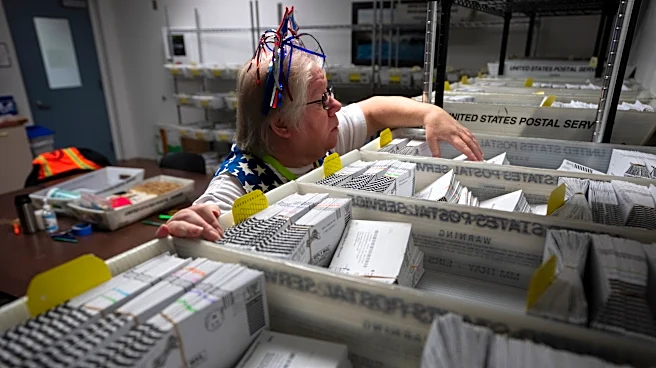
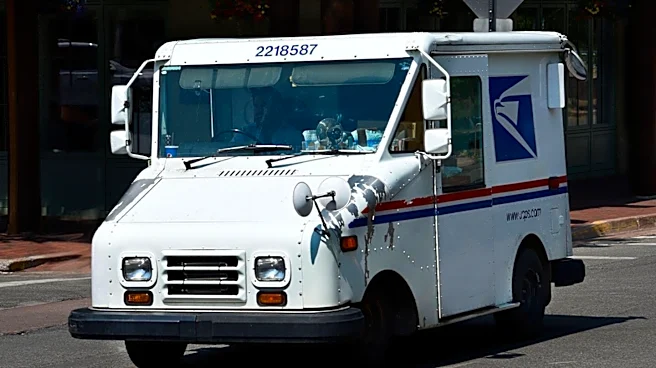
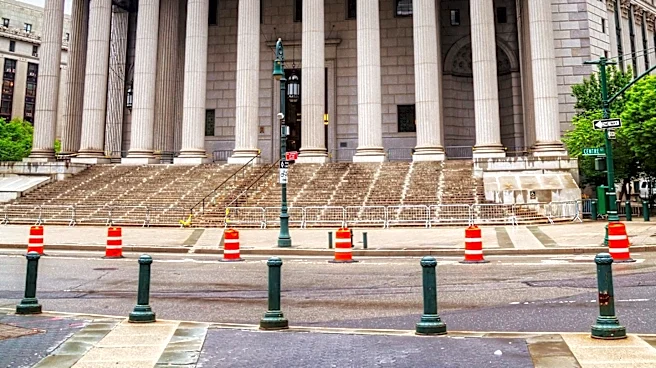
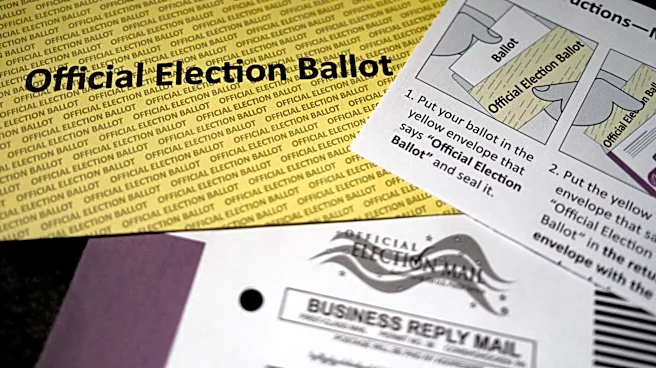
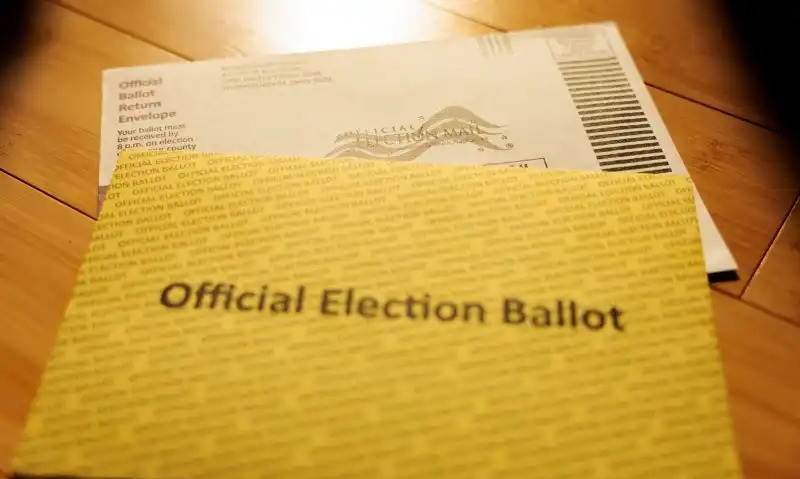
The Supreme Court has prevented a U.S. Postal Service regulation concerning mail-in ballots, directed by President Trump, from taking effect. This decision, made in a brief order, rejected an emergency application from the Trump administration that sought
to overturn a lower court ruling deeming the regulation likely unlawful. The court's decision was reportedly 7-2, with Justices Clarence Thomas and Samuel Alito dissenting. The proposed regulation would have imposed new requirements on states for sending out mail-in ballots, a role typically not held by the Postal Service. Challengers, including various states led by California and advocacy groups like the League of Women Voters, argued that implementing these changes weeks before the midterm elections would cause significant disruption and potentially disenfranchise millions of voters. U.S. District Judge Indira Talwani had previously blocked the regulation, citing the Postal Service's lack of authority and the Trump administration's failure to provide evidence that the rule was necessary to combat election fraud. Justice Brett Kavanaugh, while acknowledging the Postal Service's potential authority, concurred that the rule had to be blocked due to its proximity to the election.
Why It's Important?
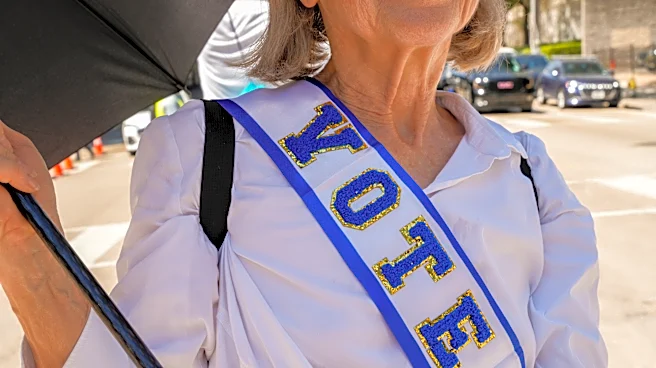
This Supreme Court ruling is a significant blow to President Trump's efforts to exert federal control over the midterm elections and his broader complaints, made without evidence, about the election system being prone to fraud. The decision ensures that states will not be forced to comply with new, potentially disruptive mail-in ballot requirements, thereby safeguarding access to voting for many Americans. Had the regulation gone into effect, it could have created widespread confusion and logistical challenges for state election officials, potentially leading to delays in ballot delivery or even the rejection of ballots that did not meet the new, last-minute criteria. This outcome is a victory for voting rights advocates and state election authorities who argued that the regulation was an overreach of federal power and an attempt to interfere with established state election processes. It reinforces the principle that significant changes to election procedures should not be imposed close to an election, especially without clear legal authority or demonstrated necessity.
What's Next?
With the Supreme Court's decision, the U.S. Postal Service regulation on mail-in ballots will not be in effect for the upcoming midterm elections. States will continue to manage their mail-in voting processes under existing rules, avoiding the potential chaos and disenfranchisement that challengers had warned about. While litigation regarding the Postal Service's authority to issue such regulations may continue, the immediate impact is that the election will proceed without these new federal requirements. The Trump administration may explore other avenues to address its concerns about mail-in voting, but any new attempts to impose federal regulations on state election procedures would likely face similar legal challenges and scrutiny, especially if introduced close to an election cycle. The focus will now shift to ensuring smooth election operations under current state laws and addressing any remaining concerns about election integrity through established legal and administrative channels.
Beyond the Headlines
This ruling highlights the ongoing tension between federal and state authority in election administration, a recurring theme in U.S. politics. President Trump's executive order and the subsequent Postal Service regulation reflect a broader effort to centralize control over voting processes, often justified by claims of election fraud. The Supreme Court's intervention underscores the judiciary's role in upholding the balance of power and protecting the integrity of the electoral system against last-minute changes that could undermine voter access. The case also touches upon the ethical implications of using federal agencies, like the Postal Service, to implement policies that could be perceived as politically motivated and designed to suppress votes. The dissent from conservative justices, while not prevailing, indicates a continuing debate within the judiciary regarding the scope of executive power and federal oversight in elections. This decision may set a precedent for future attempts to alter voting procedures close to elections, emphasizing the need for clear legal basis and sufficient time for implementation.