



What's Happening?
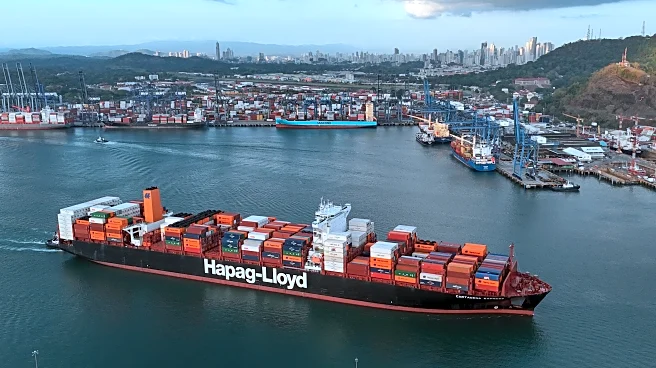
China has reported a record $1.2 trillion annual trade surplus, showcasing its economic resilience despite ongoing trade tensions with the United States. The surplus represents a 20% increase over the previous year, driven by China's ability to pivot
its export markets from the U.S. to emerging regions such as Southeast Asia, Africa, and Latin America. This shift comes in response to tariffs imposed by President Trump, which have reduced China's exports to the U.S. by 19.5%. Analysts suggest that China's dominance in manufacturing, particularly in green technologies like electric vehicles and solar panels, has bolstered its global trade position. However, the sustainability of this surplus is uncertain, as countries continue to erect trade barriers against Chinese goods.
Why It's Important?
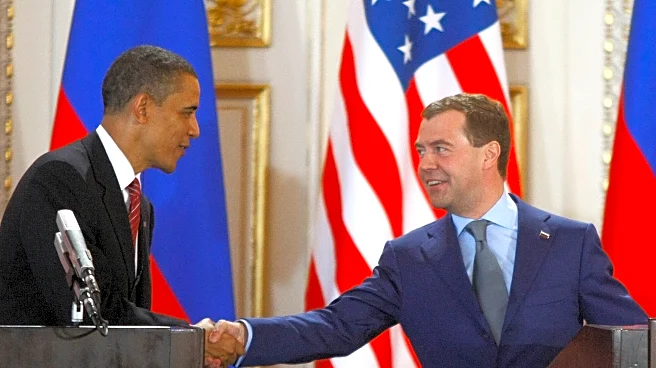
China's growing trade surplus underscores its expanding role as a global manufacturing powerhouse, which could reshape international economic dynamics. The surplus provides Beijing with increased leverage in its rivalry with the U.S., potentially influencing future trade negotiations. As China strengthens its foothold in global supply chains, the U.S. faces challenges in reducing its reliance on Chinese components, which could impact strategic industries. The situation highlights the complexities of global trade, where countries must balance protecting domestic industries with maintaining international relations.
What's Next?
The U.S. and China are expected to continue negotiating their economic ties, with potential visits from President Trump to China in the coming months. The outcome of these discussions could influence future tariff policies and trade relations. Additionally, China's ability to maintain its trade surplus will depend on how other countries respond to its export strategies, particularly in sectors like green technology.
Beyond the Headlines
China's trade practices have sparked debates about industrial overcapacity and the impact of subsidized goods on global markets. While some countries welcome Chinese exports, others express concerns about domestic competition being undermined. The situation also highlights China's reliance on external demand for economic growth, posing risks if global market conditions fluctuate.