


What's Happening?
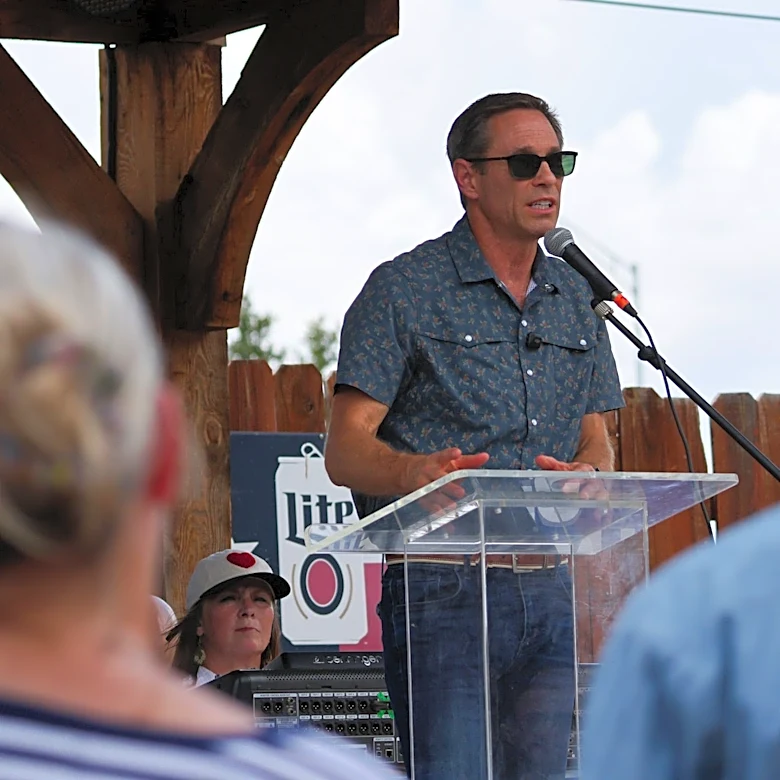
U.S. Congressmen Mike Rogers (Republican) and Eric Sorensen (Democrat) recently met with Romanian Interior Minister Cătălin Predoiu in Bucharest. The discussions, also attended by Ambassador Nirenberg, focused on strengthening the strategic partnership
between the U.S. and Romania, particularly through increased economic cooperation. Minister Predoiu emphasized that the U.S., as Romania's primary strategic partner, should enhance its economic presence through investments in the country. He stated that American investments in the economy and economic projects developed with the U.S. could generate economic growth and national security for Romania. Predoiu highlighted Romania's strategic relevance, which he believes is of interest to all its partners, and stressed the need for the U.S. to increase its economic footprint to positively influence the national economy, foster robust economic growth, and elevate Romania's security level. He also noted that a fully empowered government is essential to rapidly develop these strategic directions with political support and concrete actions from ministries, suggesting that too much time has already been lost in this regard.
Why It's Important?
This meeting underscores the U.S.'s ongoing commitment to its strategic partnerships in Eastern Europe, particularly with Romania, a key NATO ally. Increased U.S. economic investment in Romania could bolster the region's economic stability and resilience, which is crucial given the geopolitical landscape. For the U.S., such investments can open new markets for American businesses and strengthen its influence in a strategically vital area. From Romania's perspective, greater U.S. economic presence would not only stimulate its national economy and create jobs but also enhance its national security by deepening ties with a major global power. This initiative could also serve as a model for other U.S. allies seeking to attract foreign direct investment and strengthen their economies through strategic partnerships. The call for a 'fully empowered government' in Romania suggests that political stability is seen as a prerequisite for maximizing the benefits of these potential investments, highlighting the interconnectedness of political governance and economic development in international relations.
What's Next?
The immediate next steps involve the Romanian government, once fully empowered, to develop and implement policies that facilitate increased U.S. economic investment. This would likely include streamlining regulatory processes, offering incentives for foreign investors, and ensuring a stable business environment. Congressmen Rogers and Sorensen's involvement suggests potential legislative support or advocacy within the U.S. Congress for initiatives that encourage American companies to invest in Romania. Future discussions may involve specific sectors for investment, such as energy, technology, or infrastructure, where U.S. expertise and capital could have a significant impact. The U.S. Ambassador's presence indicates ongoing diplomatic efforts to foster these economic ties. The success of these efforts will depend on both countries' ability to translate these discussions into concrete projects and sustained economic engagement.
Beyond the Headlines
Beyond the immediate economic and security implications, this dialogue highlights the broader strategy of strengthening alliances through economic interdependence. By encouraging U.S. investment, Romania aims to integrate more deeply into Western economic structures, reducing potential vulnerabilities and enhancing its geopolitical alignment. This approach also reflects a growing trend where economic partnerships are viewed as integral components of national security strategies, complementing traditional military alliances. The bipartisan nature of the U.S. congressional delegation (Republican and Democrat) signals a unified American foreign policy objective regarding strategic partners like Romania, transcending domestic political divisions. This emphasis on economic ties can also foster cultural exchange and mutual understanding, building a more robust and multifaceted relationship that extends beyond governmental interactions to include business communities and civil society.