
What's Happening?
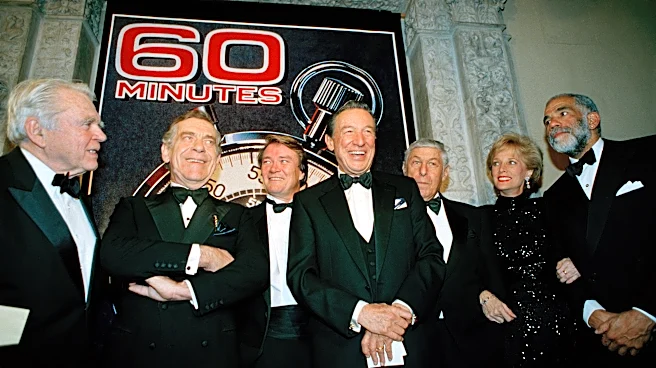
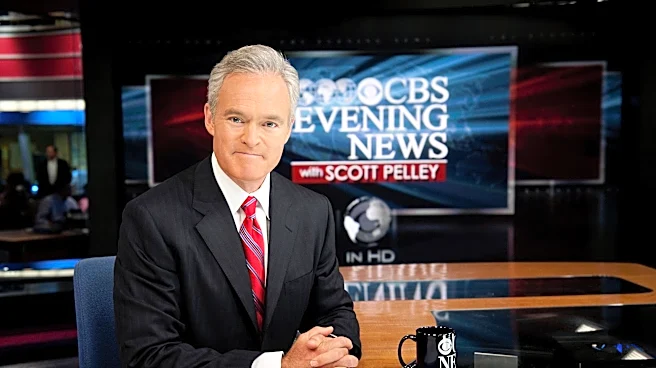
The FCC Chair has publicly criticized Scott Pelley, a longtime correspondent for '60 Minutes', for not anticipating his dismissal from the program. This criticism follows a contentious meeting between
Pelley and the show's new executive producer, Nick Bilton. The FCC Chair expressed his views on social media, suggesting that Pelley was 'completely out of touch' for not foreseeing the consequences of the meeting. This development highlights ongoing tensions within the media industry, particularly in high-profile news programs like '60 Minutes'.
Why It's Important?
This incident underscores the challenges faced by media professionals in adapting to changes within their organizations. The criticism from the FCC Chair reflects broader industry pressures where media figures must navigate evolving leadership and strategic directions. For '60 Minutes', a program with a storied history, such internal conflicts can impact its reputation and viewership. The situation also highlights the role of executive producers in shaping the direction of news content, which can lead to significant personnel changes. This could influence how other media organizations manage their talent and content strategies.
What's Next?
The fallout from this incident may lead to further scrutiny of '60 Minutes' and its management practices. It could prompt discussions within the media industry about the balance between editorial independence and executive oversight. Stakeholders, including other media professionals and industry analysts, may watch closely to see if this leads to broader changes in how news programs are managed. Additionally, Scott Pelley's next career moves will be of interest, as his experience and reputation could influence his future opportunities in journalism.