






What's Happening?
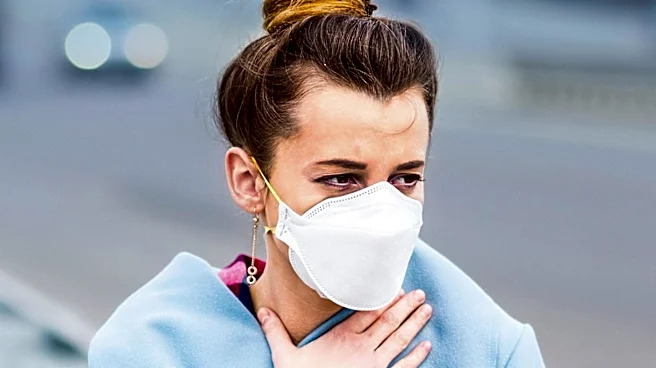
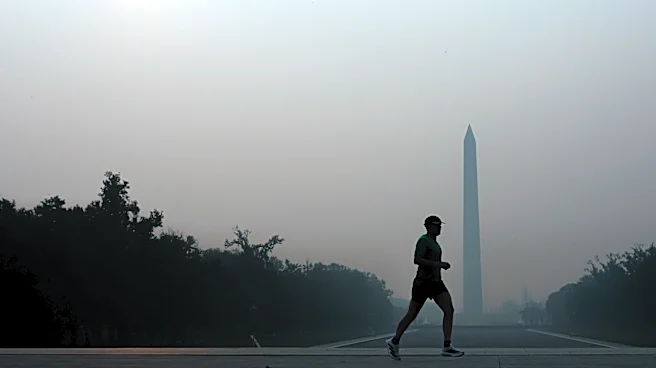
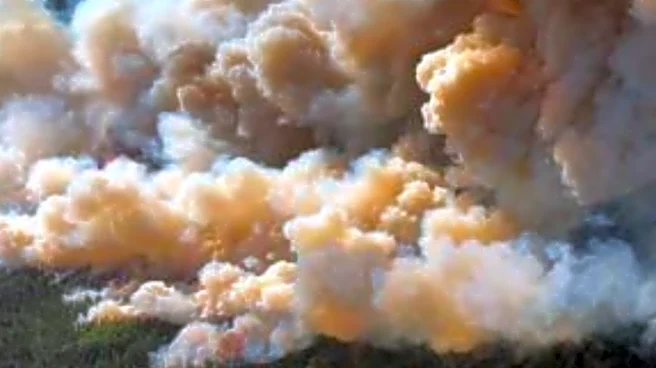
Recent studies have highlighted the severe health impacts of wildfire smoke, which is increasingly affecting various parts of the United States. According to research published in Nature and Science Advances, exposure to fine particulate matter (PM2.5)
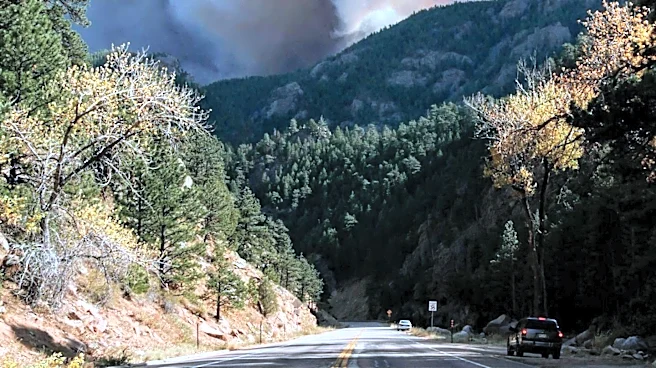
from wildfire smoke is linked to a significant number of excess deaths annually. The smoke contains harmful pollutants that can penetrate deep into the lungs and bloodstream, leading to respiratory and cardiovascular issues, as well as cognitive problems. Vulnerable groups, including children, pregnant individuals, and those with pre-existing health conditions, are particularly at risk. The smoke's reach extends far beyond the immediate vicinity of wildfires, affecting air quality hundreds of miles away.
Why It's Important?
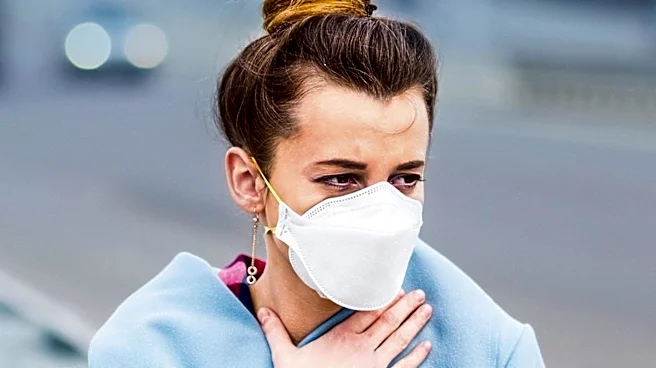
The increasing frequency and intensity of wildfires, exacerbated by climate change, pose a growing public health challenge in the U.S. The health implications of wildfire smoke are profound, with potential long-term effects on respiratory and cardiovascular health, as well as mental health. The economic burden of healthcare costs and lost productivity due to smoke-related illnesses is significant. Public health officials are urging measures to mitigate exposure, such as improving indoor air quality and using protective masks. The findings underscore the need for comprehensive policies to address air quality and public health preparedness in the face of escalating wildfire risks.
What's Next?
As wildfires continue to pose a threat, there is a pressing need for coordinated efforts to improve air quality standards and public health responses. Researchers and policymakers are likely to focus on developing strategies to reduce exposure to wildfire smoke, including enhancing early warning systems and public health advisories. There may also be increased investment in research to better understand the long-term health impacts of smoke exposure and to develop effective interventions. Collaboration between federal, state, and local agencies will be crucial in addressing this complex environmental and public health issue.
Beyond the Headlines
The broader implications of wildfire smoke extend beyond immediate health concerns. The persistent exposure to pollutants can exacerbate existing health disparities, particularly in communities with limited access to healthcare and resources. Additionally, the psychological impact of living in areas frequently affected by smoke and fire can contribute to mental health challenges. The situation calls for a holistic approach that includes environmental justice considerations and community resilience planning to support affected populations.