
What's Happening?
Senator Martin Heinrich, a Democrat from New Mexico, has announced plans to introduce a bill aimed at eliminating tax breaks for U.S. oil and gas companies operating overseas. This legislative proposal
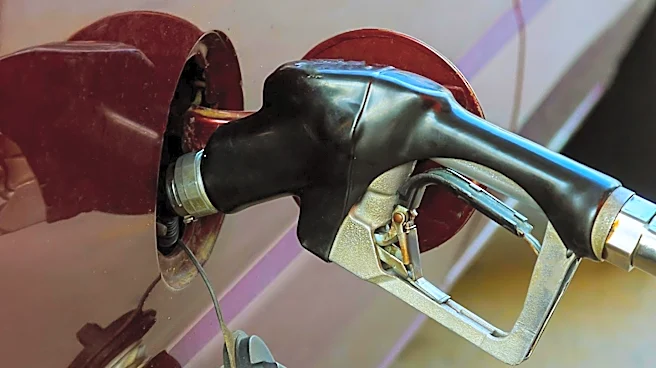
comes in the wake of President Trump's criticism of major U.S. oil producers for their substantial profits amid rising gasoline prices due to the conflict with Iran. The bill seeks to level the playing field for American energy development by removing preferential tax treatment for overseas fossil fuel profits, aligning them with other foreign business income. Heinrich argues that oil majors should not receive tax incentives for foreign production, especially when they are reporting significant quarterly profits.
Why It's Important?
The proposed legislation highlights ongoing tensions between the U.S. government and the oil and gas industry regarding taxation and profit distribution. By targeting tax breaks for overseas operations, the bill aims to encourage domestic energy development and ensure that oil companies contribute fairly to the U.S. economy. This move could potentially increase tax revenues and reduce incentives for companies to invest abroad, thereby supporting local energy initiatives. The bill also reflects broader policy discussions about energy independence and the role of fossil fuels in the U.S. economy.
What's Next?
If introduced, the bill will likely face scrutiny and debate in Congress, with potential opposition from industry stakeholders who benefit from current tax policies. The outcome of this legislative effort could influence future tax reforms and energy policies, particularly in the context of global energy markets and geopolitical tensions. The proposal may also prompt discussions about the balance between supporting domestic energy production and maintaining competitive advantages for U.S. companies in the global market.