




What's Happening?
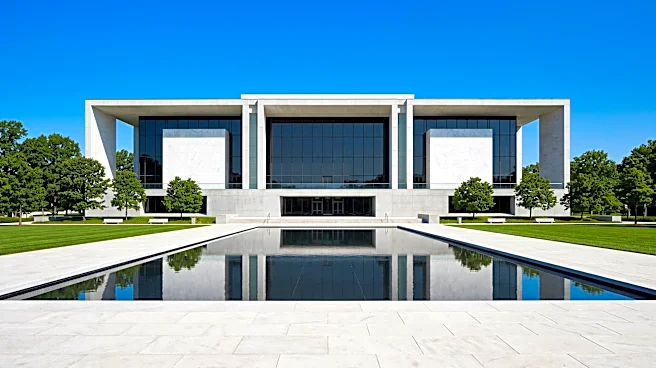
The Rockford Public Library is collaborating with the National Archives and Records Administration (NARA) Barack Obama Presidential Library to host a three-part workshop series titled 'America at 250: Your Government, Your Records.' This series aims to educate
residents on how to access government records. The workshops will cover various topics, including digital research tools, genealogical resources, and the Freedom of Information Act (FOIA). Federal archivists from the Barack Obama Presidential Library will work alongside local library specialists to demystify the process of finding and utilizing public records. The series is designed to enhance civic engagement by providing community members with the necessary tools and confidence to navigate government information. The Rockford Public Library, established in 1872, operates four facilities and mobile library vehicles, serving to inform, educate, entertain, and culturally enrich its community. The Barack Obama Presidential Library is one of 16 presidential libraries within the NARA system, dedicated to preserving and providing access to historical materials and supporting research.
Why It's Important?
This partnership is significant as it directly addresses the public's right to access government information, fostering transparency and civic engagement. By demystifying government records, the initiative empowers citizens to understand the systems that shape their daily lives and hold institutions accountable. The workshops on digital research tools and genealogical resources will provide practical skills, enabling individuals to delve into their personal histories and broader societal records. Furthermore, the session on the Freedom of Information Act (FOIA) is crucial for ensuring that citizens can effectively request and obtain government documents, reinforcing democratic principles. This collaboration between a local public library and a presidential library highlights the vital role libraries play in promoting information literacy and access, bridging the gap between federal archives and local communities. It underscores the idea that access to historical and governmental information is fundamental for an informed citizenry.
What's Next?
The 'America at 250: Your Government, Your Records' workshop series is scheduled to take place in three sessions. The first session, 'Decode Democracy – Demystifying Government Records,' will explain the National Archives and Records Administration (NARA) and how to access personnel files for genealogical or personal purposes. The second session, 'Logging On – Linking Digital Research Sources,' will guide participants through the digital resources of the Barack Obama Presidential Library, including the National Archives Catalog and the Digital Artifacts Collection, with the Rockford Public Library offering an overview of comparable local resources. The final session, 'Your Right to Know – A Guide to the Freedom of Information Act (FOIA),' will provide practical insights into the FOIA process, from drafting requests to navigating document releases. All sessions will be held at the Adult Services WREX Room at the Rockford Public Library's Main Library and are free and open to the public, with no registration required.
Beyond the Headlines
Beyond the immediate goal of teaching how to access government records, this initiative has deeper implications for fostering a more informed and engaged populace. In an era where information can be overwhelming or difficult to verify, programs like this reinforce the library's role as a trusted institution for reliable information and critical thinking. By focusing on 'America at 250,' the series also subtly encourages reflection on the nation's history and the evolution of its governmental processes. The emphasis on digital resources and FOIA requests addresses contemporary challenges in information access, equipping citizens with skills relevant to the digital age. This partnership could serve as a model for other communities, demonstrating how local and national institutions can collaborate to strengthen democratic participation and historical understanding, ultimately contributing to a more transparent and accountable government.