
What's Happening?
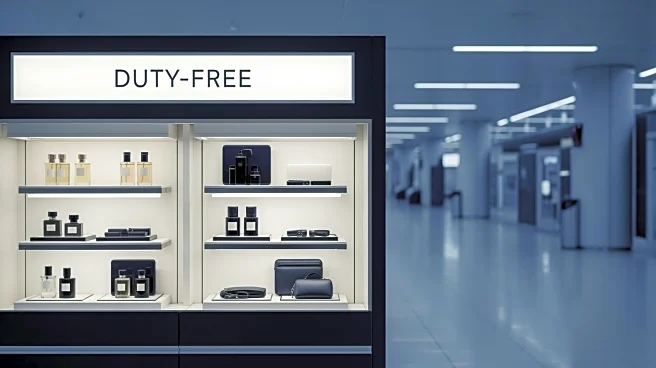
Duty-free sales at Japan's major department stores experienced a significant decline in December, primarily due to China's travel restrictions. J Front Retailing Co.'s Daimaru and Matsuzakaya stores saw
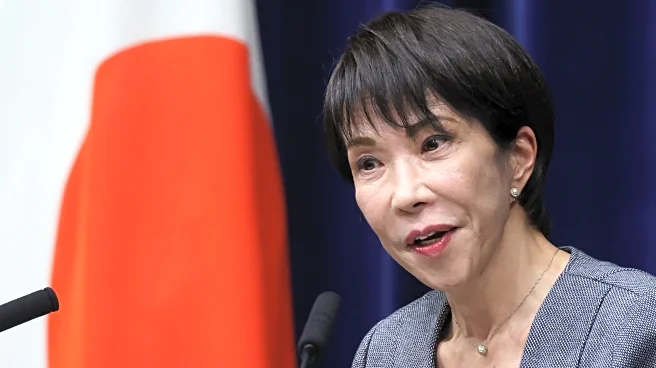
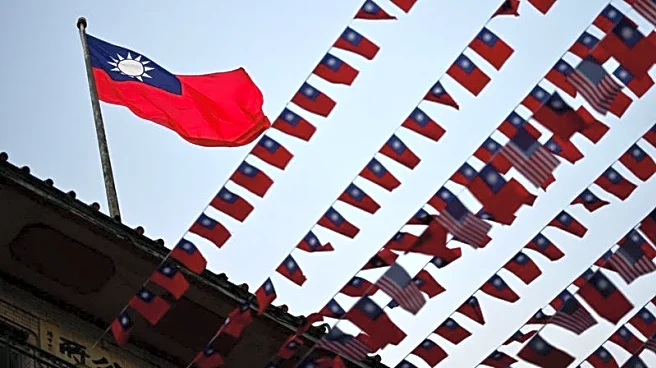
a 17% drop in duty-free sales, while Takashimaya Co. reported an 11% decrease. The decline is attributed to Beijing's advisory against travel to Japan, which has affected inbound spending. H2O Retailing Co. noted a 40% fall in sales from Chinese customers, and Matsuya Co. reported an 11% drop at its Ginza store. Isetan Mitsukoshi Holdings Ltd. also experienced a 14% decrease in duty-free sales. Chinese tourists have been crucial to Japan's economic recovery post-COVID-19, contributing significantly to tourism revenue. However, recent political tensions, including remarks by Japan's Prime Minister on Taiwan, have led to reduced flights from China, further impacting sales.
Why It's Important?
The decline in duty-free sales highlights the vulnerability of Japan's retail sector to geopolitical tensions and shifts in Chinese travel trends. Chinese tourists have been a major driver of Japan's economic recovery, and their reduced presence poses a risk to corporate earnings and broader economic growth. If travel restrictions persist, Japan could lose significant tourism revenue, potentially affecting its economic stability. The situation underscores the interconnectedness of global economies and the impact of political decisions on economic activities.
What's Next?
If the travel restrictions continue, Japanese retailers and the tourism industry may face prolonged challenges. The Japanese government and businesses might need to explore alternative markets or strategies to mitigate the impact of reduced Chinese tourism. Additionally, diplomatic efforts could be necessary to address the underlying political tensions and restore travel flows. The situation may also prompt Japan to diversify its tourism sources to reduce dependency on a single market.