






What's Happening?
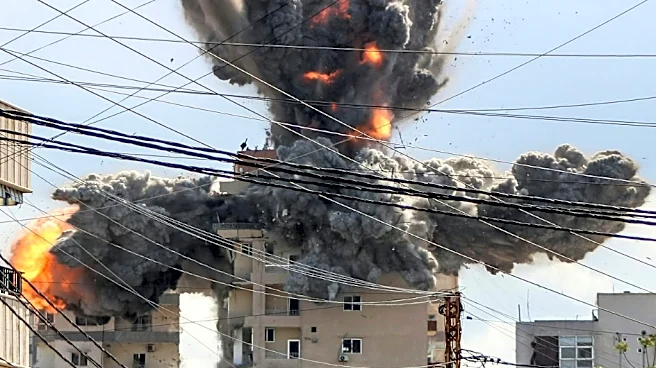
Following a ceasefire announcement between Israel and Iran, Israeli citizens have expressed mixed feelings about the outcome. Many residents, who spent weeks in shelters due to the conflict, feel that the ceasefire was premature and that the conflict should
have been resolved more decisively. Despite the ceasefire, tensions remain high, particularly in northern Israel, where residents are still on alert. Public spaces are beginning to fill again, but there is a pervasive sense of uncertainty about the future and the potential for renewed hostilities.
Why It's Important?
The ceasefire has significant implications for regional stability and security. While it provides temporary relief for civilians, the lack of a decisive resolution leaves the door open for future conflicts. The mixed reactions from Israeli citizens highlight the ongoing challenges in achieving lasting peace in the region. The situation also underscores the complexities of international diplomacy and the difficulties in balancing military action with humanitarian concerns. The outcome of this ceasefire will influence future negotiations and the broader geopolitical landscape in the Middle East.
What's Next?
The Israeli government and military will likely continue to monitor the situation closely, maintaining readiness for any potential escalation. Diplomatic efforts may be intensified to secure a more lasting peace agreement. The international community, including the United States, may play a role in facilitating further negotiations. Meanwhile, Israeli citizens will remain vigilant, balancing a return to normalcy with the ongoing threat of conflict.