






What's Happening?
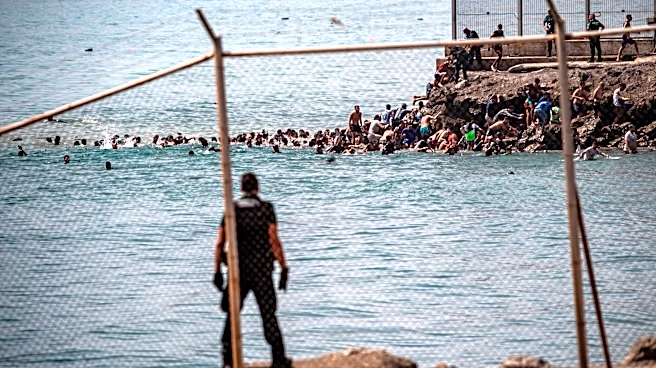
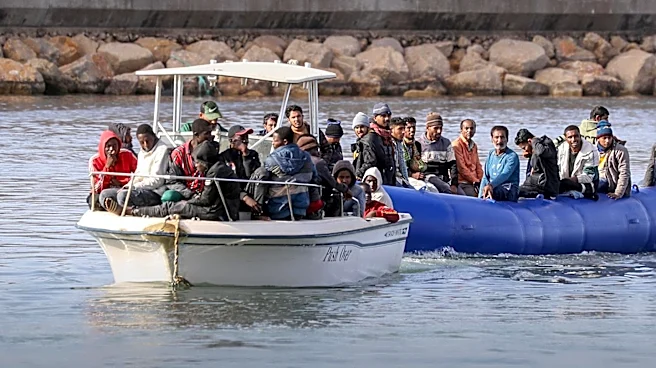
The Europe External Programme with Africa (EEPA) has reported that over 117,350 irregular migrants have been deported by Benghazi-based Libyan authorities. This action is part of a broader effort to tighten migration controls, which includes stricter
border security and new residency regulations for foreign nationals. Additionally, over 100,000 Sudanese migrants have registered for a voluntary return program from Libya, with repatriation flights currently underway. The report highlights the challenges faced by migrants in Libya, including severe water shortages in refugee camps hosting Sudanese refugees in eastern Chad. The Greek government is also taking measures to prevent the Libya-Crete migration route from becoming permanent, increasing intelligence-sharing and surveillance with Libya.
Why It's Important?
The deportation of migrants from Libya has significant implications for international migration patterns and refugee management. It underscores the ongoing challenges faced by countries in managing large-scale migration and the humanitarian needs of displaced populations. The tightening of migration controls in Libya may lead to increased pressure on neighboring countries and regions, potentially exacerbating existing humanitarian crises. The situation also highlights the need for coordinated international efforts to address the root causes of migration and provide adequate support to affected populations. The actions taken by Libya and Greece reflect broader geopolitical dynamics and the complexities of migration management in the Mediterranean region.