




What's Happening?
Meteorologists have confirmed that March was the hottest month on record for the continental United States in 132 years. This unprecedented heatwave is attributed to climate change, which is increasing the frequency and intensity of extreme heat events.
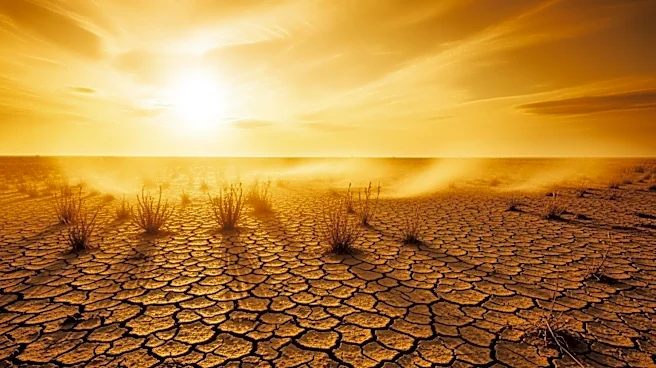
The record-breaking temperatures have raised concerns about the impact on agriculture, water resources, and public health. The National Oceanic and Atmospheric Administration (NOAA) has been monitoring these developments closely, noting that the heatwave has affected large areas across the country, leading to dry conditions and increased fire danger in some regions.
Why It's Important?
The record-breaking heatwave in March highlights the growing impact of climate change on the United States. Such extreme weather events can have significant consequences for various sectors, including agriculture, where crops may suffer from drought conditions, and public health, where heat-related illnesses could increase. Additionally, the increased risk of wildfires poses a threat to communities and ecosystems. Policymakers and environmental groups may use this data to advocate for stronger climate action and adaptation strategies to mitigate future impacts.