
What's Happening?
President Trump has engaged in discussions with U.S. oil executives regarding the potential extension of a naval blockade on Iran, aimed at pressuring Tehran to reopen the Strait of Hormuz to shipping.
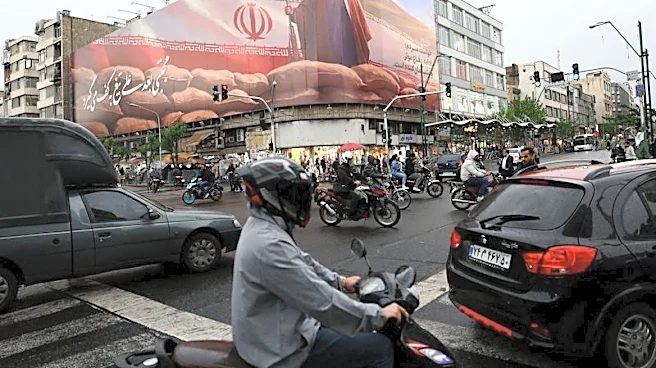
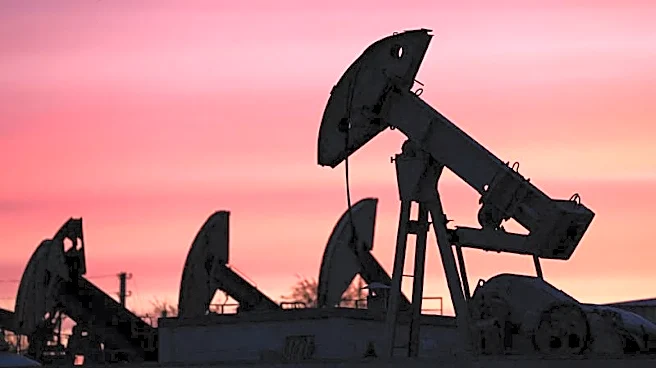
This blockade is part of a broader strategy to curb Iran's oil exports and compel the country to negotiate a deal. Trump has publicly criticized Iran's inability to 'get its act together' and has urged the nation to 'get smart soon' and sign a nonnuclear agreement. The blockade has already led to a significant rise in oil prices, with Brent crude reaching a one-month high. Iran, in response, has threatened 'unprecedented military action' if the blockade continues, while maintaining that its nuclear ambitions are peaceful. The economic impact on Iran is severe, with its currency plummeting to record lows and inflation soaring.
Why It's Important?
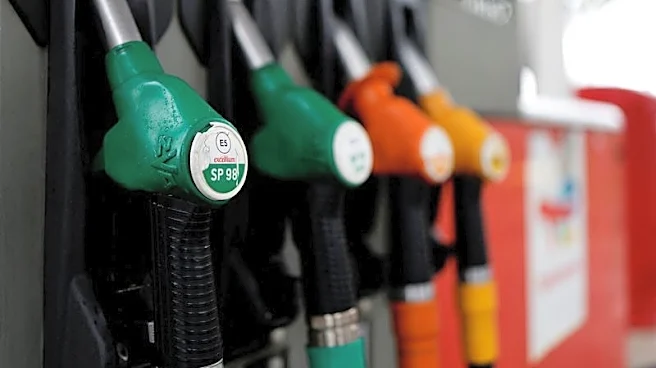
The ongoing blockade and rising tensions between the U.S. and Iran have significant implications for global oil markets and geopolitical stability. The Strait of Hormuz is a critical chokepoint for global energy supplies, and disruptions could lead to further increases in oil prices, affecting economies worldwide. For the U.S., maintaining the blockade could strain relations with allies and impact domestic fuel prices, which are already a concern for American consumers. The situation also highlights the broader geopolitical struggle over Iran's nuclear program and the balance of power in the Middle East. Domestically, President Trump faces pressure to resolve the conflict, as his approval ratings have declined amid rising gasoline prices and public discontent.
What's Next?
The U.S. may continue its blockade strategy, potentially extending it for months, while seeking to minimize the impact on American consumers. Iran's response could involve further military actions or diplomatic maneuvers to bypass the blockade. The international community, particularly countries reliant on Middle Eastern oil, will be closely monitoring the situation. U.S. intelligence agencies are assessing potential Iranian responses to a unilateral declaration of victory by Trump. The outcome of these tensions could influence future U.S. foreign policy and economic strategies, as well as the stability of the Middle East region.